By RANIA H.
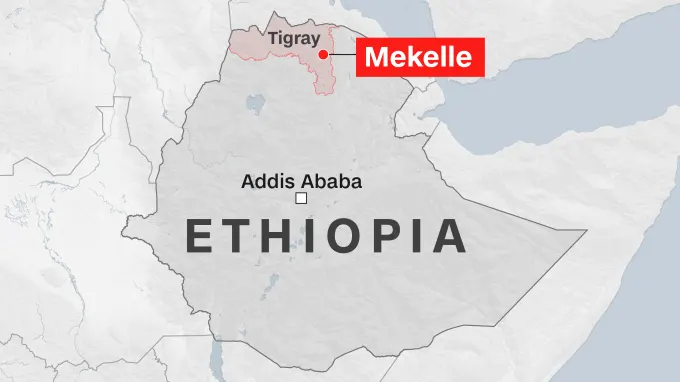
Residents across Ethiopia’s northern Tigray region are voicing strong opposition to the Tigray Regional Provisional Administration’s (TRPA) newly approved resource mobilization plan, warning that it imposes unbearable economic pressure and deepens public mistrust of the authorities.
Officials said the plan, announced on January 1,2026 is aimed at addressing the region’s budget shortfall and funding post-war recovery, including support for war-injured fighters and displaced populations.
Dr. Abraham Tekesete, Head of the Resource Mobilization Committee, acknowledged that reconstruction work has yet to begin since the Pretoria Peace Agreement, and less than a quarter of Tigray’s budget has been received since October.
Residents and employees, however, question the fairness of the plan. Many are already taxed at 42% under Ethiopian law, and the new measures include a one-month salary deduction for civil servants, judicial employees, security forces, police, private-sector employees, and NGO staff.
In addition, taxes have been increased on cement and beverages, including beer, vodka, wine, whiskey, and bottled water.
“We cannot live on our salaries as prices in the market continue to inflate, and now they want to take a full month of our income,” said a public servant in Mekelle.
“We are already overtaxed. This is not sacrifice. It feels like local genocide”
Critics also highlight that the administration has yet to address allegations of aid diversion and unregulated gold mining, fueling fears of corruption and authoritarian governance. While officials say funds will be deposited in multiple banks and publicly reported, residents remain skeptical.
The TRPA has established seven sub-committees to oversee resource collection, with revenue expected from businesses, banks, microfinance institutions, and diaspora contributions.
A national conference is scheduled for January 13 to review the mobilization plan and broader post-war recovery efforts.
Analysts warn that imposing heavy financial burdens on an already war-traumatized population, while ignoring questions of transparency and accountability, risks deepening instability and social unrest.