By SUMUR TSEHAYE
Eritrea has announced its withdrawal from the Intergovernmental Authority on Development (IGAD), accusing the East African regional bloc of abandoning its founding principles and becoming a political instrument against certain member states, including Eritrea.
In a statement released on Friday, Eritrea’s Ministry of Foreign Affairs said IGAD had failed to uphold neutrality, promote regional stability, or contribute meaningfully to peace and cooperation in the Horn of Africa.
The ministry argued that the organisation had deviated from its original mandate and no longer reflected the collective interests of its members.
“IGAD has become an instrument of external agendas and partisan interests,” the statement said, without naming specific countries or actors. Eritrean officials have long accused the bloc of favouring Ethiopia in regional political and security matters.
The withdrawal comes amid intensifying diplomatic tensions between Eritrea and neighbouring Ethiopia, marked by sharp exchanges between officials and growing concern among regional observers over the possibility of renewed armed confrontation.
Relations between the two neighbouring countries, once hailed as restored following the 2018 peace agreement, have deteriorated significantly in recent months.
In response to Eritrea’s announcement, IGAD dismissed the accusations, saying Asmara had not actively engaged with the organisation’s reform processes.
In a brief statement, IGAD said Eritrea had failed to submit any “tangible proposals” or participate constructively in discussions aimed at strengthening the bloc’s effectiveness and governance.
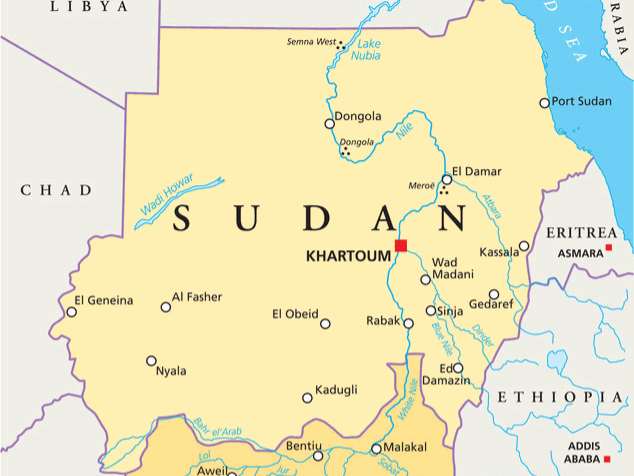
Established in 1986, IGAD was created to address drought and food insecurity in the Horn of Africa before expanding its mandate to include peace, security, and economic cooperation. Its current members include Ethiopia, Kenya, Sudan, South Sudan, Uganda, Djibouti, and Somalia.
Eritrea’s relationship with IGAD has been fraught for nearly two decades.
The tiny African country first suspended its membership in 2007, at the height of its border dispute with Ethiopia, accusing the bloc of bias and political interference.
Eritrea remained outside the organisation for more than 15 years before rejoining in 2023 amid renewed regional diplomacy and shifting alliances.
Analysts say Eritrea’s second withdrawal underscores deeper fractures within regional institutions struggling to manage overlapping conflicts, political rivalries, and competing national interests in the Horn of Africa.
IGAD has faced criticism in recent years over its handling of crises in Sudan, South Sudan, Somalia, and Ethiopia’s internal conflicts.
The latest development raises questions about the future effectiveness of regional cooperation mechanisms at a time when the Horn of Africa is grappling with conflict, humanitarian emergencies, climate shocks, and economic pressures.
For now, Eritrea has not indicated whether it plans to pursue alternative regional partnerships or re-engage with IGAD under revised terms, leaving uncertainty over its role in future regional diplomacy.