By TESFA-ALEM TEKLE
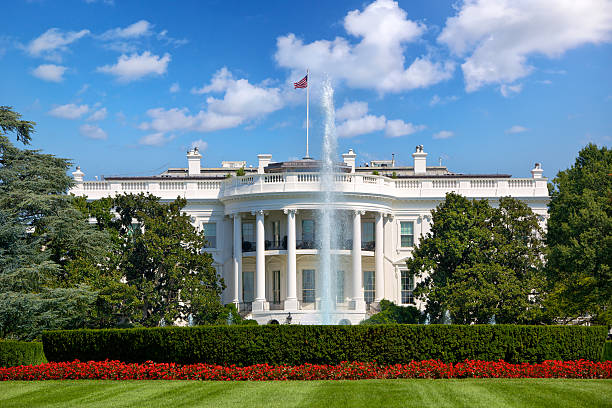
Toronto — The administration of U.S. President Donald Trump has expanded its immigration restrictions to four more African nations, adding Burkina Faso, Mali, Niger, and South Sudan to a list of countries facing full bans on entry to the United States.
The move also extends partial travel restrictions to 12 additional African nations, further deepening concerns among African governments, civil society groups, and immigration advocates.
The White House said the decision was based on national security concerns, citing inadequate identity-management systems, weak passport controls, and limited cooperation with U.S. immigration authorities.
Officials argued that the affected countries failed to meet U.S. standards for information sharing and traveler vetting, making it difficult to verify the backgrounds of individuals seeking entry into the United States.
Countries Facing Full and Partial Restrictions
Under the updated policy, nationals from Burkina Faso, Mali, Niger, and South Sudan are barred from most categories of travel, including tourism, family visits, and business.
Limited exceptions may apply for diplomats or individuals deemed to serve U.S. national interests.
Meanwhile, partial restrictions imposed on 12 African countries — among them Nigeria, Africa’s most populous nation — affect specific visa categories, particularly immigrant and diversity visas.
These limits do not constitute a total ban but significantly reduce legal migration pathways.
Return to Hardline Immigration Policies
The expanded restrictions echo Trump’s earlier travel bans during his presidency, which initially targeted several Muslim-majority countries and were later broadened to include African nations. Those policies sparked widespread legal challenges and international criticism before being upheld in a modified form by the U.S. Supreme Court.
Critics argue that the renewed measures disproportionately target fragile and conflict-affected states, many of which are grappling with political instability, terrorism, or humanitarian crises.
Burkina Faso, Mali, and Niger are all part of the Sahel region, which has experienced escalating violence linked to armed extremist groups and military coups in recent years.
South Sudan continues to struggle with post-conflict instability and weak state institutions.
Impact on Families, Students, and Migrants
Immigration advocates warn that the restrictions will separate families, disrupt educational opportunities, and undermine legal migration channels. Nigerian civil society organizations have expressed concern that partial restrictions could affect students, skilled professionals, and family reunification cases.
“These policies punish ordinary people for the failures of their governments,” said one immigration advocate, adding that travel bans often push migrants toward irregular and dangerous routes rather than improving security.
Diplomatic and Regional Reactions
Several African analysts view the move as a setback for U.S.–Africa relations at a time when Washington has sought to re-engage the continent amid growing competition from China and Russia.
Regional bodies and human rights groups have called for dialogue rather than blanket bans, arguing that capacity-building and technical cooperation would better address security concerns.
The African Union has previously criticized similar measures as discriminatory, warning that they reinforce negative stereotypes and undermine people-to-people ties.
What Comes Next
It remains unclear how long the restrictions will remain in place or whether affected countries can negotiate their removal by improving documentation systems and cooperation with U.S. authorities.
Past experience suggests that compliance benchmarks — such as biometric passports and data-sharing agreements — could play a role in future reviews.
For now, the expanded ban marks a significant tightening of U.S. immigration policy toward Africa, with far-reaching consequences for migrants, families, and bilateral relations.
The White House said the restrictions would remain in place until affected countries show “credible improvements” in identity management, information-sharing and cooperation with US immigration authorities.
A number of exceptions apply and the ban will not affect lawful permanent residents, many existing visa holders, diplomats, or athletes travelling for major sporting events.
Officials said case-by-case waivers would also be available where travel is deemed to be in the national interest.
Countries with full restrictions:
Afghanistan
Burkina Faso
Burma
Chad
Equatorial Guinea
Eritrea
Haiti
Iran
Laos
Libya
Mali
Niger
Republic of the Congo
Sierra Leone
Somalia
South Sudan
Sudan
Syria
Yemen
Individuals travelling on Palestinian Authority issued or endorsed travel documents are also subject to a full suspension of entry
Partial restrictions:
Angola
Antigua and Barbuda
Benin
Burundi
Côte d’Ivoire
Cuba
Dominica
Gabon
The Gambia
Malawi
Mauritania
Nigeria
Senegal
Tanzania
Togo
Tonga
Venezuela
Zambia
Zimbabwe
Special case:
Turkmenistan (restrictions remain for immigrants but have been lifted for non-immigrant visas)
(EAD)