By EFREM TESFAGABR
The African Commission on Human and Peoples’ Rights (ACHPR) has formally ordered the State of Eritrea to respond to serious allegations of grave and long-standing human rights violations committed against the indigenous Red Sea Afar people, marking a significant legal milestone in a decades-long quest for justice.
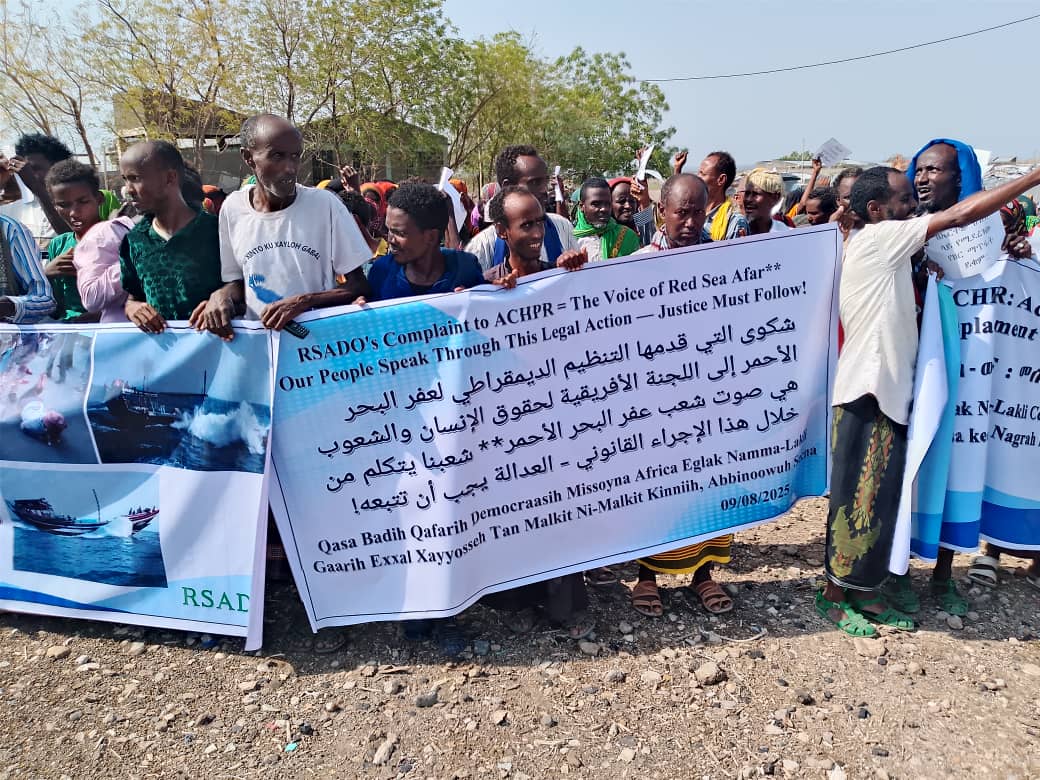
In a decision welcomed by the Red Sea Afar Democratic Organization (RSADO), the Commission has seized and officially transmitted Communication No. 868/25 to the Eritrean government, requiring it to submit its response within 60 days in accordance with Rule 116(2) of the ACHPR Rules of Procedure.
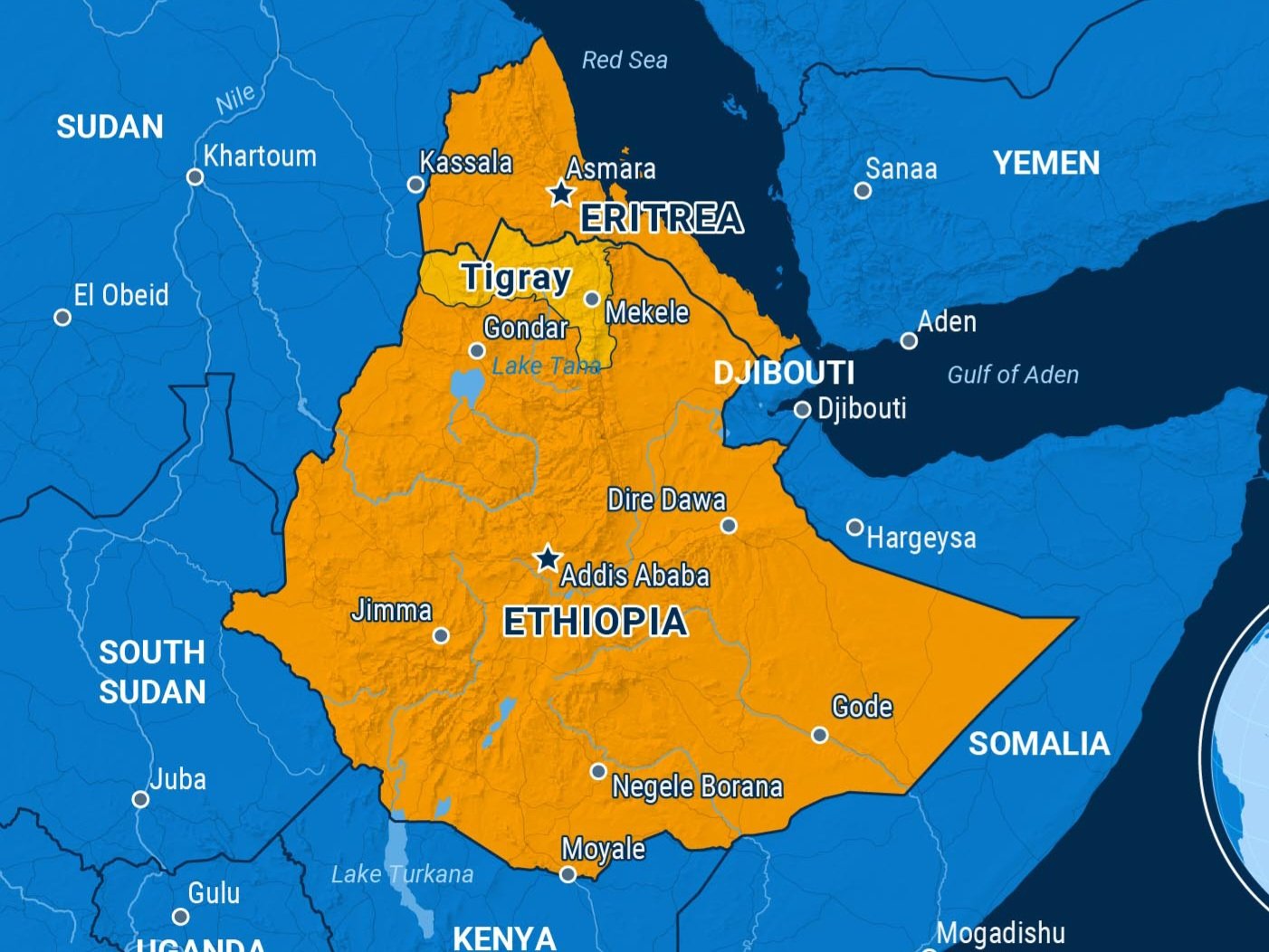
The case concerns alleged systematic abuses against the Afar community in Eritrea’s Dankalia (Southern Red Sea) region.
In a statement shared to The East African Daily, RSADO confirmed that the ACHPR Secretariat has acknowledged receipt of its submissions on both admissibility and merits, and that the Commission’s move signifies that the complaint has passed an initial legal threshold warranting formal consideration by the regional human rights body.
“This decisive step marks a historic and long-overdue breakthrough in the Red Sea Afar people’s struggle for justice, recognition, and accountability,” RSADO said in a statement.
“It sends a clear message that no state stands above the African Charter on Human and Peoples’ Rights”
Allegations of Systematic Abuse
According to RSADO, the communication details decades of alleged state-led repression against the Afar population, including mass displacement, enforced disappearances, extrajudicial killings, targeted persecution, and the dispossession of ancestral lands along Eritrea’s Red Sea coastline.
The Afar, a pastoralist people inhabiting parts of Eritrea, Ethiopia, and Djibouti, have long complained of marginalization and exclusion within Eritrea.
Human rights organizations have repeatedly accused Eritrea of widespread and systematic abuses, though the government in Asmara has consistently rejected such claims, dismissing them as politically motivated. Eritrea is not a party to many international human rights treaties, making regional mechanisms such as the ACHPR one of the few available legal avenues for accountability.
The Commission’s decision to compel a response from Eritrea is being interpreted by rights advocates as a significant challenge to what they describe as a long-standing culture of impunity.
Regional Significance
Legal experts note that while the ACHPR lacks direct enforcement powers, its findings carry substantial moral and political weight within the African Union system.
Past decisions have been used to pressure governments, inform international advocacy, and support cases before other legal and diplomatic forums.
RSADO praised the Commission for what it described as “swift, principled, and victim-centered action,” and reaffirmed its readiness to cooperate fully throughout the proceedings, including during deliberations on admissibility and merits.
Call for Broader Support
At what it described as a critical juncture, RSADO urged African Union member states, regional bodies, international organizations, and diplomatic partners to support the Commission’s mandate and to engage through legal and diplomatic channels to prevent further harm to the Afar community.
Of the case proceeds to a ruling on the merits, it could become one of the most consequential regional human rights decisions involving Eritrea in recent years, potentially setting an important precedent for the protection of indigenous and marginalized communities across the continent.
Eritrean authorities had not publicly responded to the Commission’s order at the time of publication.