By TESFA-ALEM TEKLE & SUMUR TSEHAYE
The Global Society of Tigray Scholars and Professionals (GSTS) is raising strong alarm over the trajectory of Tigray’s political transition, warning that the region’s interim administration has drifted far from its original mandate and is now unable to shepherd Tigray toward a stable and democratic future.
In a detailed assessment shared with The East African Daily and stakeholders, the group argues that the interim government led by General Tadesse Worede has failed to uphold the central promises of the Pretoria Peace Agreement, a deal that was expected to mark a turning point after the devastating war in northern Ethiopia.
GSTS says the agreement’s core provisions remain largely unfulfilled: from the withdrawal of non-regional forces and demobilization of local fighters to the restoration of basic services, the return of displaced people, and a clear roadmap to elections.
Instead, the group describes a region caught in a cycle of political uncertainty, weak governance, and deepening public frustration.
A leadership crisis in the interim administration
According to GSTS, the interim administration has largely abandoned its transitional responsibilities and has operated without transparency or clear communication with the public.
The scholars describe an environment where dissenting voices are suppressed, community leaders are sidelined, and independent institutions are undermined.
The assessment accuses the leadership of cultivating what it calls a culture of silence in Tigray — a troubling development in a region striving to recover from conflict and rebuild trust between citizens and authorities.
Observers say the criticism reflects a wider concern among civil society groups who fear that the interim administration has become more focused on consolidating power than preparing the ground for democratic governance.
Peace deal stuck, yet political future unclear
GSTS warns that the stalled implementation of the peace deal poses serious risks not only for Tigray but for Ethiopia and the broader Horn of Africa.
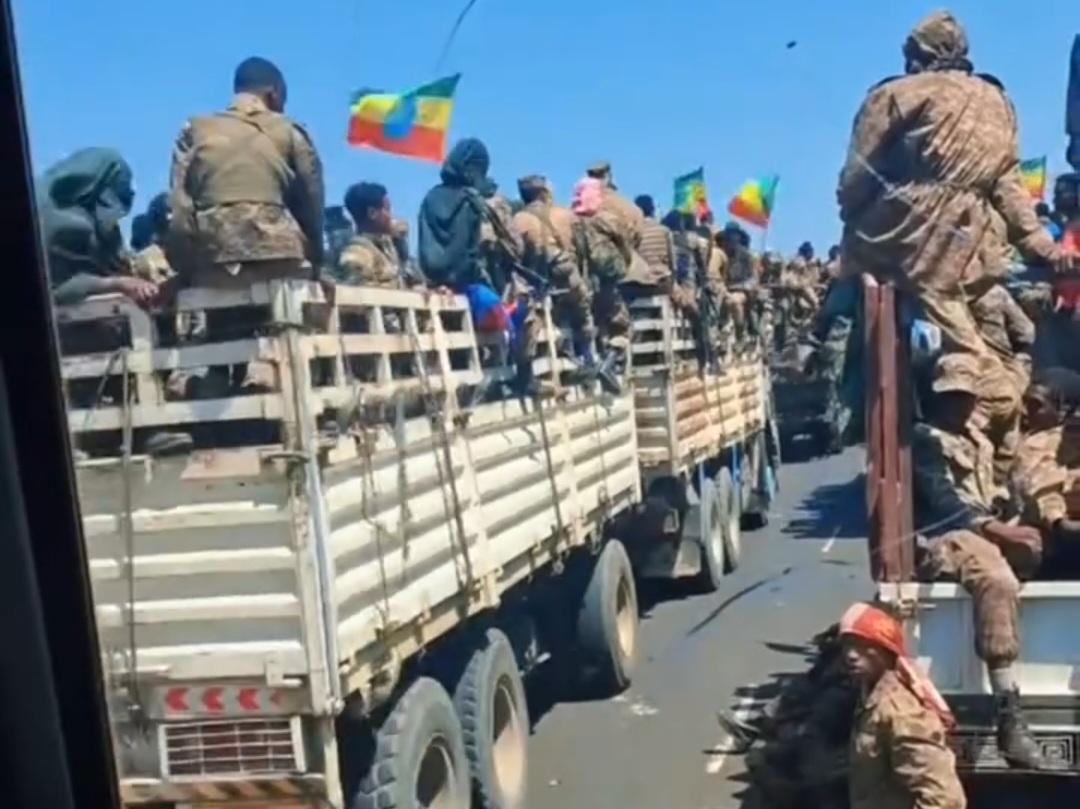
The presence of external forces in parts of the region, combined with delays in demobilization and reconstruction, has left communities in a fragile and unpredictable situation.
These delays also threaten the delicate balance between regional and federal authorities.
Analysts say the longer the stalemate continues, the more likely it is that mistrust will deepen on all sides, complicating efforts to create a durable post-war order.
Humanitarian strain and fading public confidence
The group argues that the administration has failed to offer accurate reporting on displacement, hunger, and reconstruction needs.
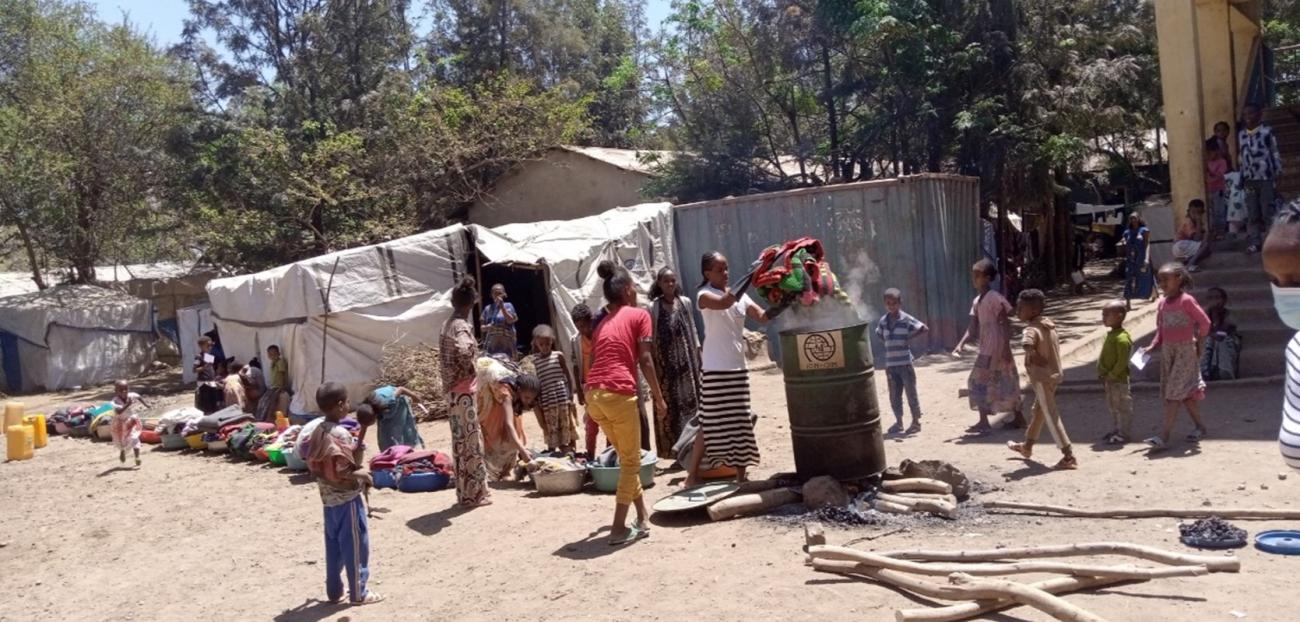
Aid groups working in the region say the lack of reliable data makes it harder to coordinate relief efforts and understand the scale of ongoing humanitarian challenges.
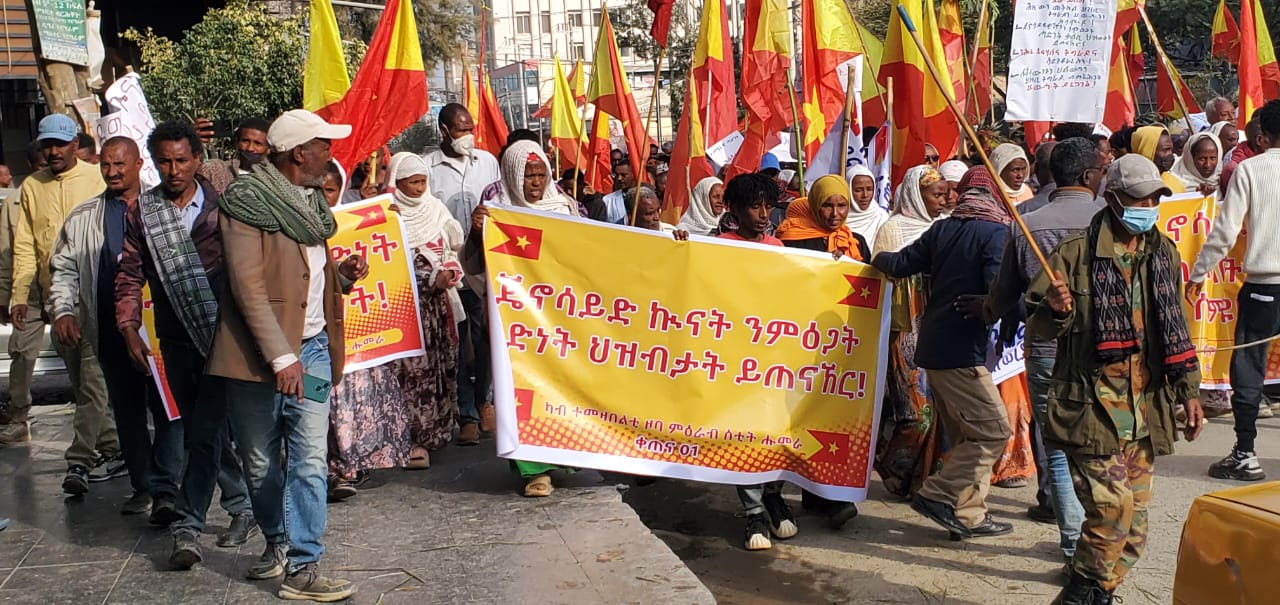
GSTS adds that political infighting, limited capacity, and absence of accountability mechanisms have eroded public confidence, leaving many Tigrayans uncertain about the future of the region.
A call for a new interim authority
In response to what it views as a breakdown in leadership, the scholars’ group is calling for the formation of a new interim administration built on a more inclusive and professional model.
The proposed transitional government, according to GSTS, should have a clearly defined mandate, transparent decision-making processes, and a short tenure designed solely to stabilize the region and guide it toward elections.
The group says it is prepared to present a concrete proposal and plans to begin broad consultations with political actors, civic organizations, and international partners.
Growing pressure on federal authorities
The call for a new interim administration comes at a sensitive moment for Prime Minister Abiy Ahmed’s government, which is already grappling with multiple security crises across Ethiopia.
Any shift in Tigray’s political structure could have ripple effects on federal-regional relations, potentially reshaping the balance of power within Ethiopia’s fractured political landscape.
Regional watchers say the GSTS statement may add pressure on the federal government to re-engage more actively in supervising the implementation of the peace deal and establishing a credible transition plan for Tigray.
What comes next
As Tigray struggles to navigate its post-war transition, the debate over leadership and legitimacy is intensifying.
With the peace agreement still fragile and millions of people depending on a return to stability, the decisions made in the coming weeks could determine whether Tigray moves toward recovery or slips into deeper instability.
Federal officials have not yet responded to the GSTS report. But analysts say the growing public scrutiny suggests that Tigray’s political future is far from settled — and that a new phase of negotiations, restructuring, or even confrontation may now be underway.