By RANIA H.
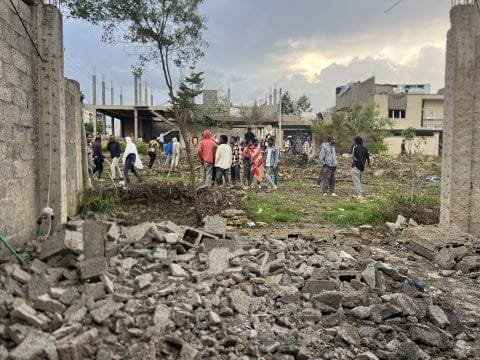
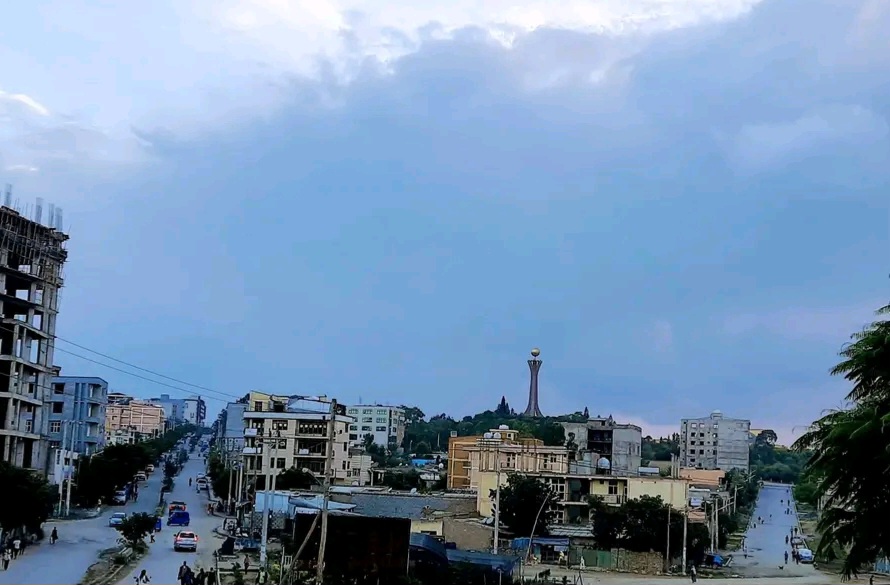
Mekelle, December 4, 2025 — In Ethiopia’s northern Tigray regional capital, Mekelle, a new moment of uncertainty happened on Thursday after explosions were reported near the Martyrs’ Obelisk, a symbolic landmark at the heart of the city.
Residents told The East African Daily that the blasts appeared to have been carried out by an armed group linked to the so-called 31 Armed Forces, though the faction’s command structure and political alignment remain unclear.
No casualties had been confirmed yet but the incident triggered fear among civilians as security forces rushed to secure the area and assess the damage.
Authorities have not yet issued an official statement, and the motive behind the attack remains unknown.
The explosion came less than a day after a separate military standoff that further rattled Mekelle.
Early Thursday morning, members of the 31st Tigray Army Unit deployed around the Tigray Regional Administrative Office and maintained their positions for several hours.
Multiple sources, including soldiers who spoke anonymously, said the deployment was triggered by delayed salary payments stretching back two months.
However, many residents and observers believe the confrontation may reflect deeper political tensions inside the region’s leadership.
In an alarming escalation, armed members of the same unit entered the DW International media organization—one of the city’s local television stations—and ordered all staff out of the building.
Witnesses described the soldiers as fully armed with battlefield weapons and tactical gear, raising concern about the motivations and discipline of units operating inside the city.
Despite the visible military presence, daily life in Mekelle has not come to a standstill.
Shops, offices, and public transportation services continue to operate, though residents report a palpable sense of anxiety.
Journalists from the Tigray Mass Media Agency confirmed that the regional office itself has not been seized, but the soldiers remain stationed outside in a tense, silent face-off with the compound’s security personnel.
Residents who spoke to The East African Daily expressed deep unease, fearing that the city’s fragile calm could unravel.
Many recall the devastating years of war that followed the 2020 conflict between the federal government and Tigrayan forces—a conflict that displaced millions, decimated infrastructure, and left the region politically fractured even after the Pretoria Agreement aimed to restore peace.
Background: Lingering Fault Lines in Post-War Tigray
Although major hostilities formally ended with the 2022 peace deal, Tigray has struggled to rebuild its governance structures, unify its security forces, and address severe economic challenges.
Multiple armed groups—some loyal to former wartime commanders, others emerging from fragmented units—continue to operate with uncertain mandates.
Disputes over unpaid salaries, reintegration of fighters, and political power-sharing have repeatedly strained relations between regional authorities and elements of the security apparatus.
Political analysts note that the current tensions may reflect unresolved internal competition within Tigray’s interim governance arrangements, where questions of authority, legitimacy, and security control remain sensitive more than three years after the war’s formal end.
As Mekelle residents go about their day amid military checkpoints and sporadic reports of armed activity, many fear that the latest events could mark the beginning of a deeper crisis.
(EAD)