By TESFA-ALEM TEKLE
Canada/Toronto – The United States administration has announced the termination of Temporary Protected Status (TPS) for Ethiopian nationals, a move that will strip thousands of Ethiopians living in the country of legal protection and work authorization amid a broader immigration crackdown under the Trump administration.
In a notice published on Friday in the Federal Register, US Secretary of Homeland Security Kristi Noem said Ethiopia no longer meets the statutory conditions required for TPS designation.
“After reviewing country conditions and consulting with appropriate US government agencies, the secretary determined that Ethiopia no longer continues to meet the conditions for the designation for Temporary Protected Status,” Ms Noem said.
TPS is a humanitarian programme that allows nationals of countries affected by armed conflict, natural disasters, or extraordinary conditions to live and work legally in the United States on a temporary basis. Ethiopians were granted TPS following years of political instability, conflict, and humanitarian crises, including the war in northern Ethiopia.
The decision means that Ethiopians currently covered under the programme will lose protection from deportation and the right to work legally in the US once the termination period expires, unless they qualify for another form of legal status.
The move comes as the Trump administration intensifies efforts to tighten both legal and illegal immigration pathways, arguing that temporary protections have been extended for too long without sufficient justification. Immigration advocates, however, say conditions in Ethiopia remain fragile, citing ongoing insecurity, displacement, economic hardship, and political unrest in several regions.
Human rights groups warned that ending TPS could expose thousands of Ethiopians to forced returns to unsafe conditions. According to advocacy organisations, many TPS holders have lived in the US for years, built families, and contribute to the economy through essential jobs.
Diaspora voices express concern
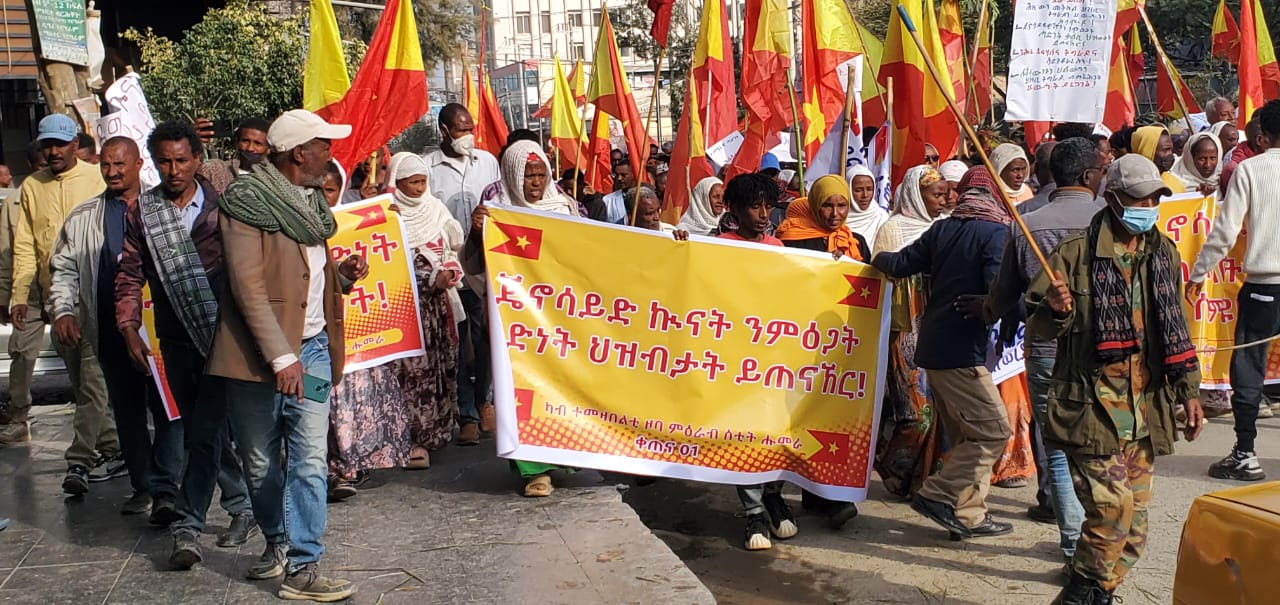
The decision has triggered anxiety and anger within the Ethiopian diaspora across major US cities, including Washington DC, Minneapolis, Seattle, and Los Angeles, home to large Ethiopian communities.
“We have built our lives here legally and peacefully,” said an Ethiopian community organiser in Washington DC, who requested anonymity due to immigration concerns. “Many TPS holders are healthcare workers, drivers, small business owners. Sending people back now ignores the reality on the ground in Ethiopia.”
Community organisations warned that the move could separate families, including households with US-born children. Several diaspora groups said they were mobilising legal assistance, advocacy campaigns, and appeals to lawmakers to seek an extension or alternative protections.
In Minneapolis, one of the largest Ethiopian hubs in the US Midwest, local leaders described the announcement as “devastating” and said it would have ripple effects on remittance-dependent families in Ethiopia.
Regional and humanitarian implications
The Ethiopian government has not yet issued an official response to the announcement. However, the decision is likely to raise concern among Ethiopia’s large diaspora community in the United States, one of the largest African migrant populations in the country.
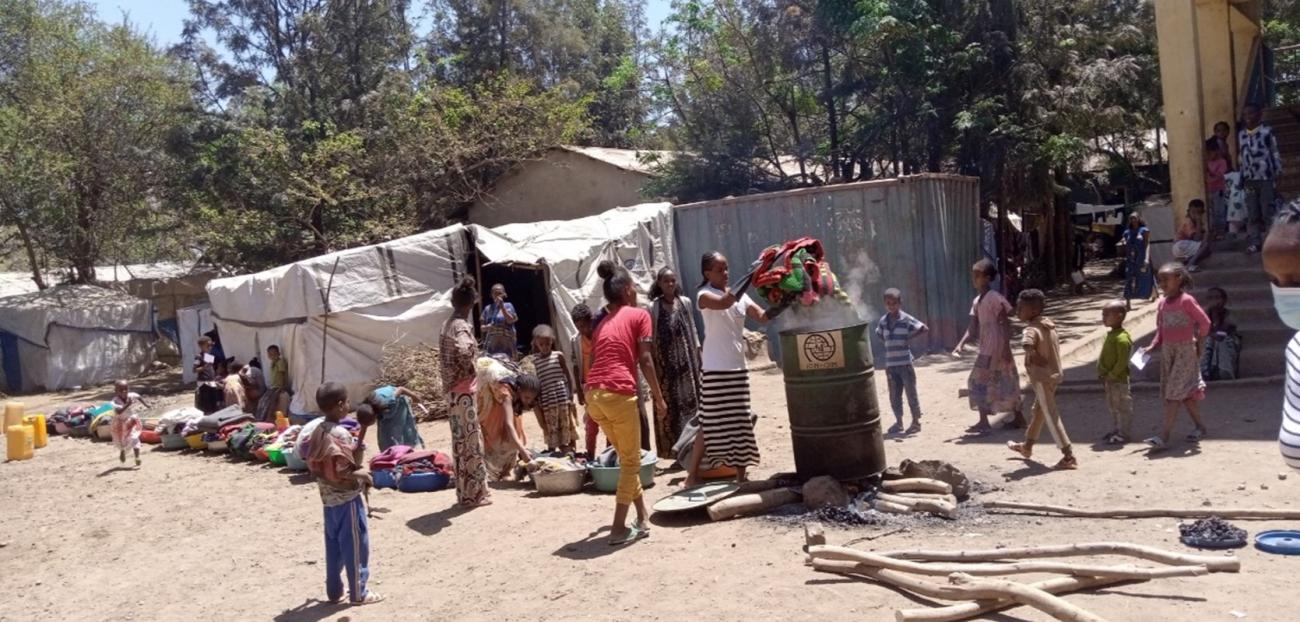
Ethiopia continues to face complex challenges, including sporadic armed clashes, internal displacement, inflation, and recovery from years of conflict. Analysts say the termination of TPS may strain families dependent on remittances and further complicate the humanitarian situation at home.
US law allows TPS designations to be reviewed periodically, but critics argue the decision reflects political priorities rather than conditions on the ground. Legal challenges from immigrant rights groups are expected in the coming weeks.
For affected Ethiopians, the announcement has created uncertainty over their future in the United States, as many now face difficult choices over legal options, relocation, or the risk of deportation.