By EFREM TESFAGABR & TESFA-ALEM TEKLE
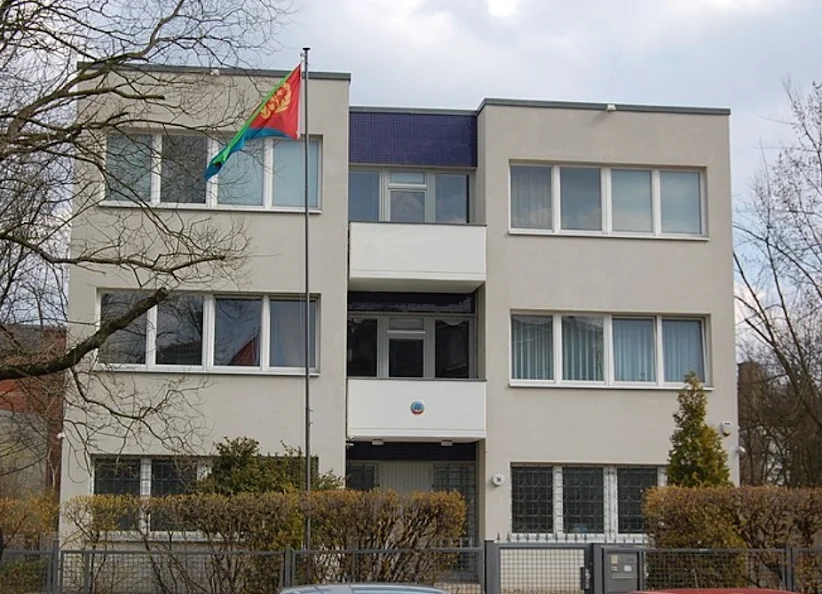
Eritrea’s decision to withdraw from the Intergovernmental Authority on Development (IGAD) marks a significant rupture in regional diplomacy and underscores the deepening fractures within the Horn of Africa’s primary multilateral institution.
Announced amid growing tensions between Asmara and several IGAD member states, the move reflects Eritrea’s long-standing skepticism toward regional blocs it perceives as politicised, externally influenced, or biased against its national interests.
While Eritrea has previously suspended or downgraded its participation in IGAD, a formal withdrawal represents a more decisive break that could reshape regional cooperation dynamics at a critical moment for the Horn.
At the core of Eritrea’s grievance lies its accusation that IGAD has deviated from its founding mandate of promoting regional cooperation, peace, and development, instead becoming an arena for political alignment and selective intervention.
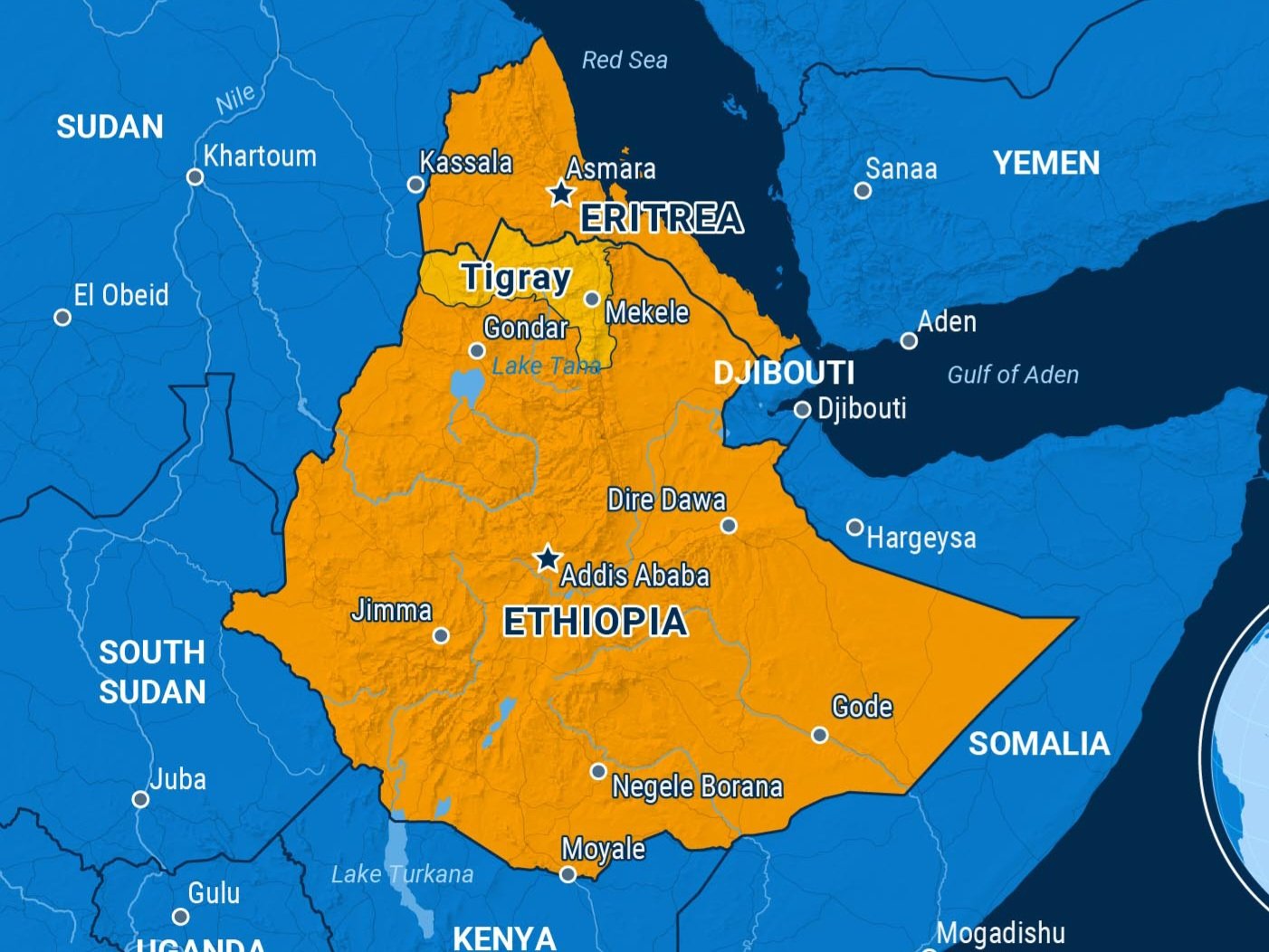
Eritrean officials have argued that IGAD’s engagement with Ethiopia’s internal conflicts—particularly during and after the Tigray war—lacked neutrality and failed to recognise Eritrea’s security concerns.
From Asmara’s perspective, IGAD’s positions increasingly echoed those of Western actors and rival regional powers, reinforcing Eritrea’s long-held narrative of external interference in Horn of Africa affairs.
The withdrawal also reflects Eritrea’s broader foreign policy orientation, which prioritises strategic autonomy over multilateral consensus.
Since gaining independence in 1993, Eritrea has pursued a self-reliant and security-centric approach, often opting for bilateral or ad hoc alliances rather than institutionalised regional frameworks.
This posture was evident during its years of isolation following the 1998–2000 war with Ethiopia and has continued, albeit in a recalibrated form, even after the 2018 rapprochement with Addis Ababa.
Leaving IGAD allows Eritrea to avoid diplomatic constraints while maintaining freedom to engage selectively with regional and global partners.
For IGAD, Eritrea’s exit exposes institutional weaknesses that have long plagued the organisation.
Established in 1986 to address drought and development challenges, IGAD later expanded its mandate to include peace and security, placing it at the center of mediation efforts in Sudan, South Sudan, Somalia, and Ethiopia.
However, persistent divisions among member states, overlapping conflicts of interest, and limited enforcement capacity have often undermined its credibility.
Eritrea’s withdrawal highlights the difficulty IGAD faces in maintaining cohesion among states with competing strategic priorities and divergent political systems.
The regional implications are particularly acute at a time when the Horn of Africa is grappling with multiple, interconnected crises.
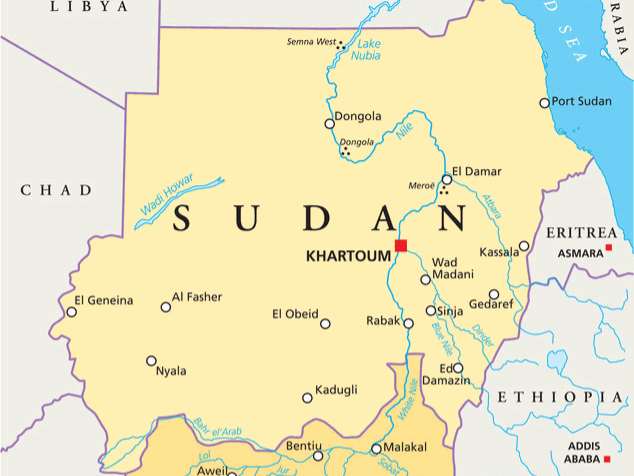
Sudan’s devastating civil war, Somalia’s fragile state-building process, tensions in the Red Sea corridor, and Ethiopia’s unresolved internal and border challenges all demand coordinated regional responses.
Eritrea’s absence from IGAD complicates these efforts, especially given its strategic location along the Red Sea and its influence—direct or indirect—over several regional security ملفات. Reduced dialogue risks miscalculation and limits channels for de-escalation in an already volatile region.
Eritrea’s withdrawal also raises questions about the future of regional multilateralism in the Horn.
If IGAD is perceived as ineffective or partial, other member states may be tempted to bypass it in favor of alternative platforms, such as the African Union, BRICS-related forums, or bilateral security arrangements.
This fragmentation could weaken collective bargaining power and reduce the region’s ability to articulate unified positions on global issues such as development financing, climate resilience, and maritime security.
Yet, Eritrea’s departure does not necessarily signal permanent disengagement. As past experience shows, Asmara has often recalibrated rather than abandoned regional engagement when political conditions shift.
Much will depend on whether IGAD undertakes internal reforms to restore confidence, ensure greater neutrality, and adapt its mediation mechanisms to the complex realities of member states.
Similarly, changes in regional alignments or leadership priorities could reopen pathways for Eritrea’s re-entry, formally or informally.
In the meantime, Eritrea’s withdrawal stands as a reminder of the fragile state of regional cooperation in the Horn of Africa.
It underscores the urgent need for inclusive, credible, and genuinely African-led institutions capable of managing conflict and fostering development without deepening mistrust among their members.
Whether IGAD can emerge stronger from this setback—or risks further erosion—will be a critical test for the future stability of one of Africa’s most strategically vital regions.