By TESFA-ALEM TEKLE
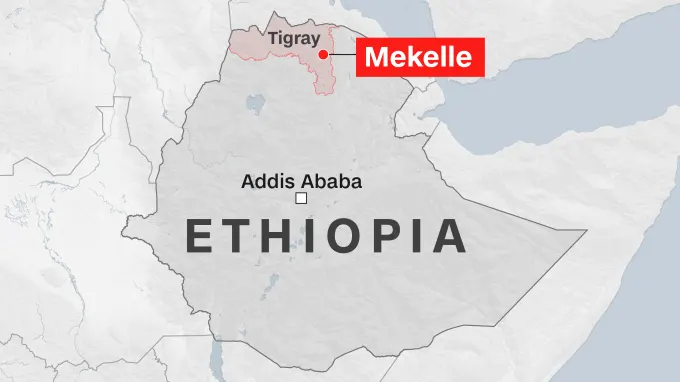
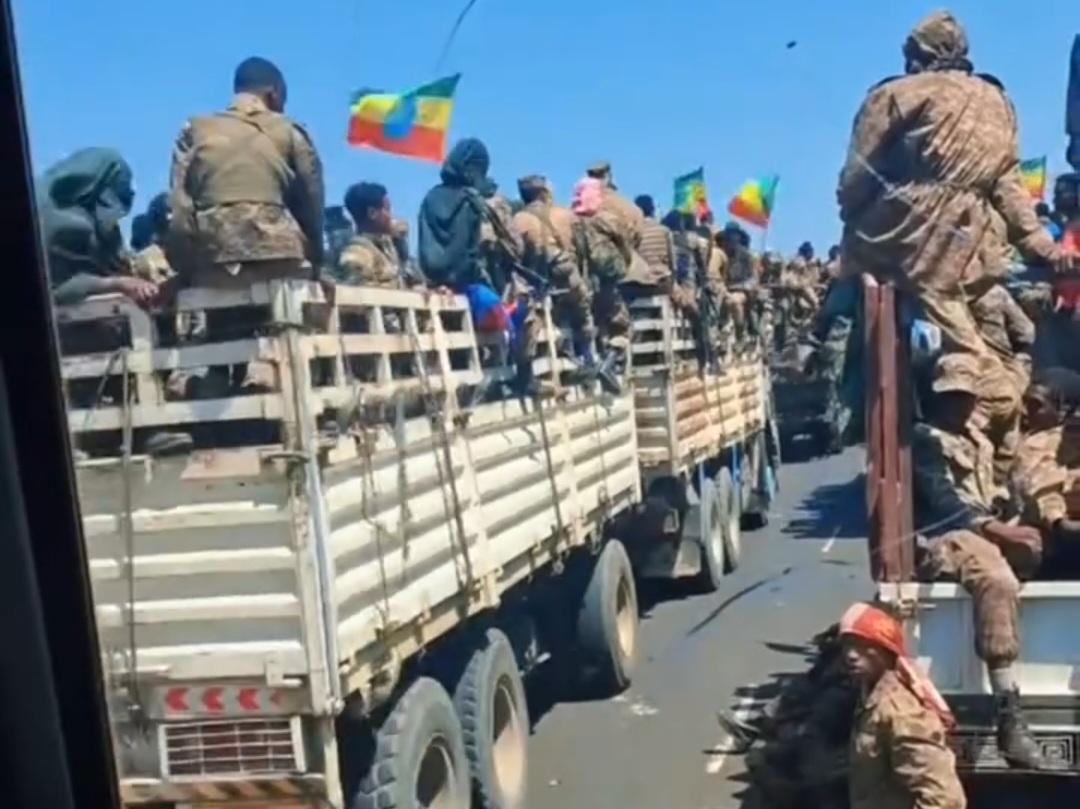
Federal and regional military forces in Ethiopia are massing along the northern boundary of the Tigray region in what diplomats and analysts warn could presage a return to large-scale armed conflict.
The new development comes nearly four years after the regional Tigrayan and federal forces end a bloody civil war in a peace deal led by the continental bloc African Union (AU).
According to a Western diplomatic source, Ethiopian National Defence Force (ENDF) units, along with paramilitaries and local militias, have been repositioned in substantial numbers along the Tigray frontier.
At the same time, fighters aligned with the Tigray People’s Liberation Front (TPLF) are also reported to be deploying closer to federal positions, creating an unprecedented concentration of forces facing one another.
“The ENDF is encircling Tigray,” the source told AFP, with both sides massing troops without clear signs of imminent negotiations.
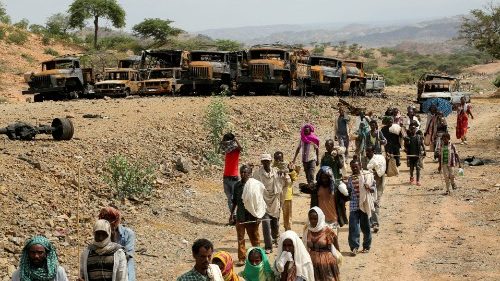
Local residents in border areas describe the buildup as unprecedented, with equipment and personnel moving into forward staging areas fueling anxiety among civilians who say they fear another major outbreak of conflict.
Residents of Mekelle and NGO sources who spoke to The East African Daily has confirmed the worring development.
Fragile peace unravels
The 2020-2022 Tigray War fought between federal forces backed by allied militias and Eritrean troops against the TPLF has claimed the lives of at least 600,000 people and displaced millions.
A peace agreement signed in Pretoria in November 2022 brought an end to most major hostilities, but many of its key provisions, including disarmament and political integration, were never fully implemented.
Clashes erupted again in late January 2026 between TPLF fighters and federal units in western Tigray, marking one of the first violent confrontations since the peace deal.
Those engagements, though lower in scale than past battles, prompted a temporary suspension of flights into the region which marked a worrying early indicator of deteriorating security.
Experts with the Armed Conflict Location & Event Data Project (ACLED) say these clashes underscore how fragile the post-peace environment remains, with both sides still suspicious of each other’s intentions.
Regional dynamics and Eritrea’s role
Tensions are not confined to Ethiopia’s internal divisions. Relations between Addis Ababa and Asmara have grown sharply more antagonistic since Eritrean troops and military support had played a key role alongside federal forces during the earlier stages of the Tigray War.
Ethiopia’s government has accused Eritrea of arming Tigrayan rebels , a charge Eritrea denies.
Independent observers note that Eritrea itself has increased military readiness in recent months, with reports of reservist mobilization and heavy artillery deployments near disputed border areas, signaling how interconnected the Horn of Africa’s conflicts have become.
Political divisions and internal fractures
Complicating the picture are internal divisions within Tigray’s leadership and armed forces.
The TPLF itself has faced infighting over strategy and alliances, and federal government decisions such as derecognizing the TPLF as a registered political party have deepened mistrust.
The Pretoria Agreement envisioned demobilization and reintegration, but disputes around implementation, governance, and political representation continue to fuel tensions on both sides of the former conflict frontlines.
Humanitarian concerns
Humanitarian organizations warn that millions of Ethiopians are already struggling due to years of instability, drought and displacement, and that a renewed conflict could rapidly worsen food insecurity, limit access to essential services, and prompt another major displacement crisis.
International alarm and calls for de-escalation
United Nations human rights officials have urged both sides to step back from confrontation, warning that without sustained international pressure and genuine dialogue, the risk of full-scale war remains high.
The situation in northern Ethiopia already entwined with broader geopolitical tensions in the Horn of Africa has emerged as a flashpoint with implications for regional stability, humanitarian access, and international diplomatic efforts amid competing security concerns worldwide.
Note from editor: This is a developing story. Further updates will be provided as events unfold.