By RANIA H.
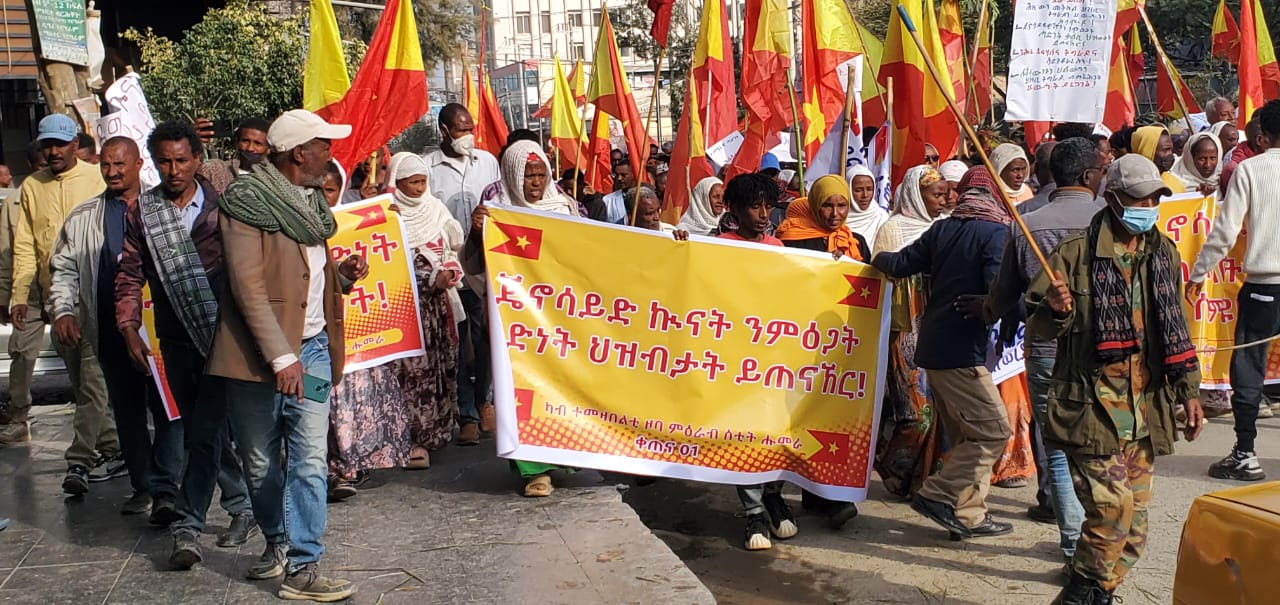
Widespread protests were held across several cities in Ethiopia’s northern Tigray region, from Sheraro to Alamata, in opposition to a recent decision by the House of Federation and the National Election Board of Ethiopia.
Friday’s demonstrations, organized by the Tigray People’s Liberation Front (TPLF), resulted in the closure of public and private offices, businesses and commercial institutions in several towns.
Daily laborers who spoke to The East African Daily said they were reportedly unable to work as economic activity was largely suspended by the day.
The wide spread protests came days after a formal communication from the House of Federation stating that five constituencies in Tigray including Humera and Alamata would directly participate in elections for Ethiopia’s federal parliament.
Tigray’s Interim Administration has opposed the decision, arguing that it violates Ethiopia’s constitution and undermines the Pretoria Peace Agreement, the 2022 accord that ended two years of devastating conflict between federal and Tigrayan forces.
Most political parties in Tigray have rejected the federal decision, with the exception of the Tigray Democratic Party led by Aregawi Berhe.
Meanwhile, the Tigray People’s Democratic Party, led by Getachew Reda, has filed a lawsuit seeking to block implementation of the National Election Board’s ruling.
Allegations of Forced Mobilization
Several residents in Mekelle and other towns alleged that participation in the protests was not entirely voluntarily.
Some claimed businesses were instructed to close and that citizens faced pressure to attend the demonstrations. These claims could not be independently verified.
While many residents said opposing the federal decision was justified, some questioned whether the protest should have been organized by the TPLF rather than by the Interim Administration of Tigray, arguing that Tigray’s territorial integrity is a public issue rather than the agenda of a single political party.
Fear of Renewed Conflict
Interviews with residents suggest growing anxiety about the possibility of renewed war.
“We are afraid of going back to war again,” one resident told The East African Daily, reflecting a sentiment echoed by others who spoke on condition of anonymity.
Some residents criticized TPLF leaders, accusing them of escalating tensions while their own families reside abroad in a safer country, including in Europe.
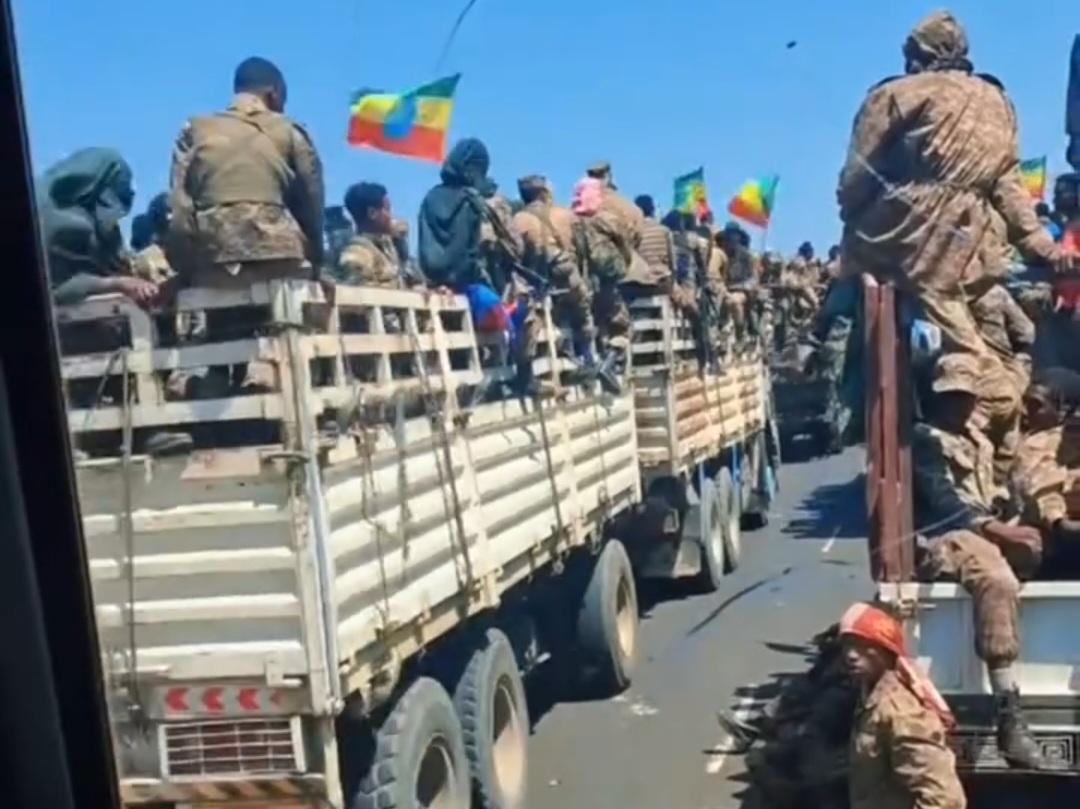
During the Mekelle rally, Interim Administration President Tadesse Werede warned that if the Pretoria Agreement collapses and conflict resumes, it would not remain confined to Tigray.
TPLF Chairman Debretsion Gebremichael on his side said that peace cannot be achieved simply by calling for it and urged unity and preparedness remarks some residents described as confrontational.
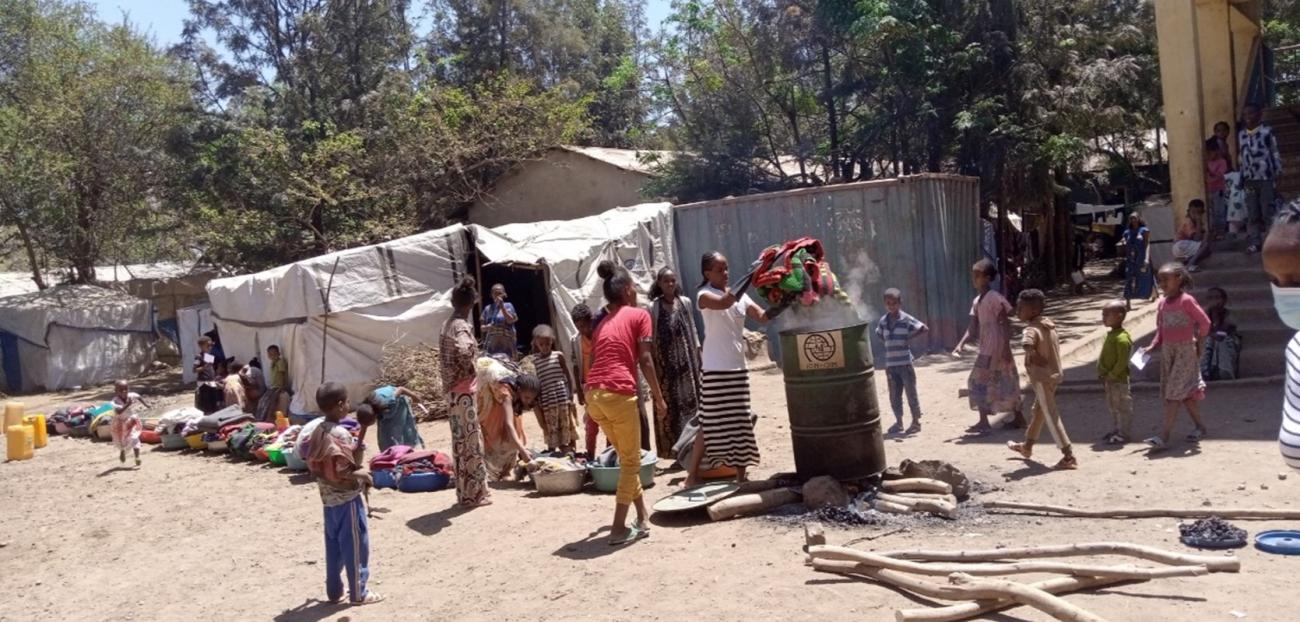
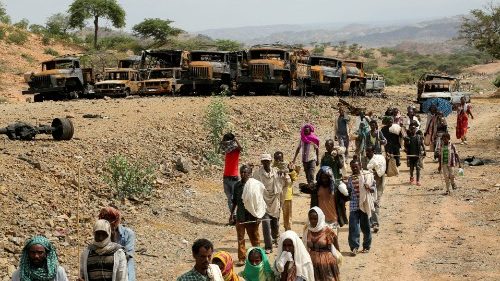
Despite grievances over unresolved territorial disputes, the presence of other armed forces in contested areas, and the continued suffering of internally displaced persons, several residents emphasized that solutions should come through peaceful dialogue and diplomacy rather than renewed armed confrontation.
The federal government has not issued an official response to the protests.
The situation remains tense, underscoring the fragility of Ethiopia’s post war political transition.