By TESFA-ALEM TEKLE
A US based aid organisation Mercy Corps warns that escalating conflict in the Middle East is sending economic shockwaves far beyond the region, already pushing up fuel, fertilizer and food prices that could quickly deepen food insecurity in fragile countries across Africa.
In a statement it shared to The East African Daily, the US based aid group said if these trends continue, an estimated 45 million more people could slide into acute hunger this year, on top of the 318 million already food insecure globally, with import-dependent countries like Sudan and Somalia facing the sharpest risks.
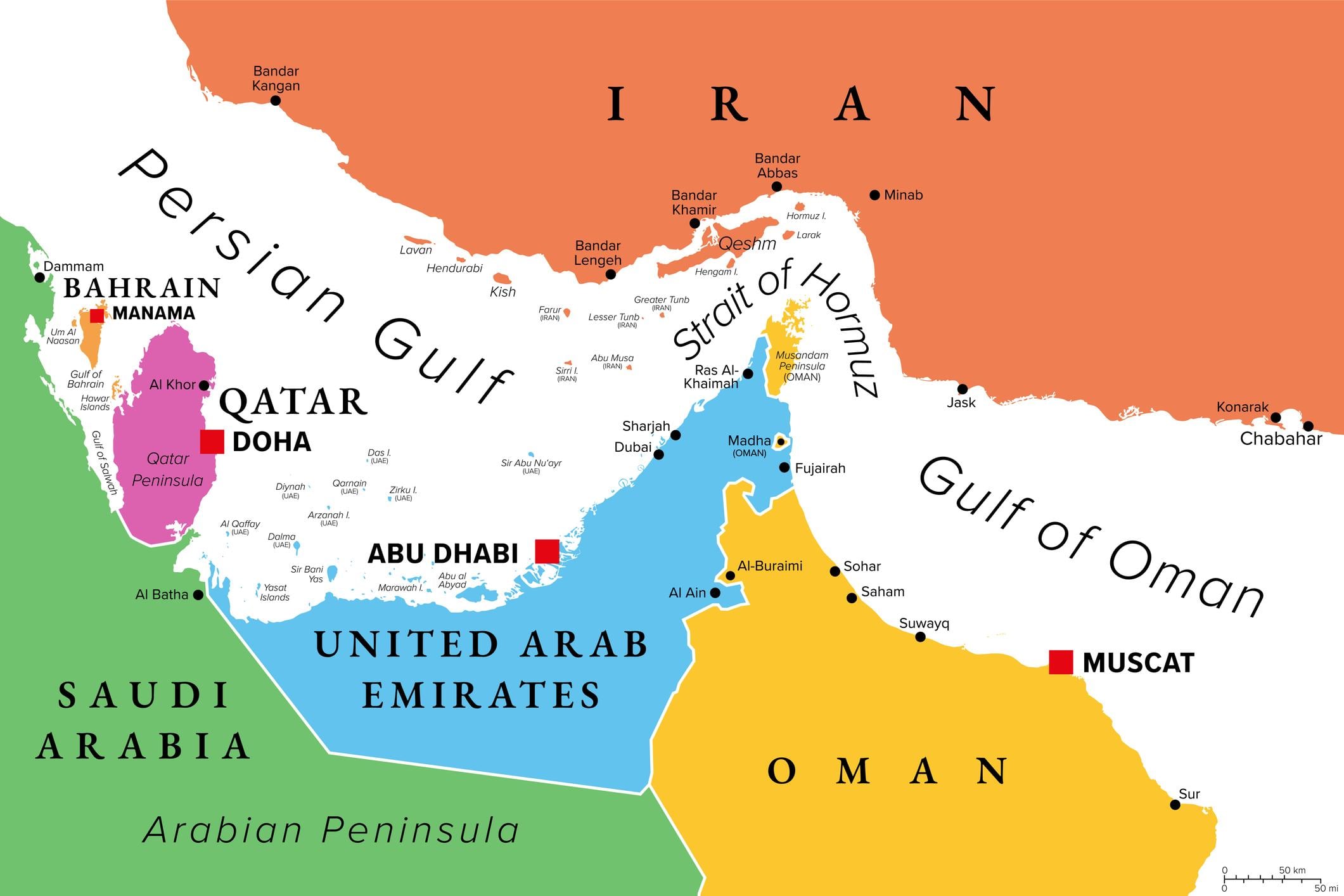
In Sudan, one of the world’s most complex humanitarian crises, roughly half the population is experiencing acute food insecurity. New Mercy Corps analysis of the economic impacts of the Middle East conflict on Sudan finds that the country is highly vulnerable to disruptions in fuel and fertilizer supply chains moving through the Strait of Hormuz.
The Gulf accounts for about 54 percent of Sudan’s seaborne fertilizer supplies. Most fuel imports also pass through the Strait, and fuel prices inside Sudan have already increased by nearly 30 percent, raising transportation costs that quickly push up food prices.
With Sudan’s summer planting season fast approaching, fertilizer shortages and rising input costs could force farmers to scale back planting, putting this year’s harvest at risk as millions already struggle with hunger and conflict.
Mercy Corps CEO Tjada D’Oyen McKenna said:
“Conflicts like this don’t stay contained. When fuel and fertilizer markets are disrupted, the ripple effects move quickly through food systems — and the people who feel it first are families in fragile countries who were already struggling to put food on the table.
What makes this moment even more dangerous is that these shocks are arriving just as humanitarian funding is shrinking, and the system that once helped buffer these crises is far weaker today.”
Somalia faces a similar convergence of crises. More than 6.5 million people are already experiencing severe hunger, and a new drought is emerging after previous dry seasons devastated crops and livestock.
In Baidoa, a city hosting more than 600,000 displaced people, the cost of rice has risen from about $0.75/kg to $1/kg. Fuel prices in some parts of Somalia have increased by as much as 130 percent, dramatically increasing the cost of transporting food and basic goods.
These pressures are colliding with a shrinking humanitarian safety net. International support that helped prevent famine during the 2022 drought has declined sharply: In 2024, the United States provided $462 million in humanitarian assistance to
This precipitous drop has forced aid organizations to close health clinics, scale back nutrition programs and halt efforts to prevent malnutrition.
Gulf countries export more than one-third of the world’s traded urea fertilizer, much of it shipped through the Strait of Hormuz. Nitrogen fertilizers produced in the region help grow crops that produce roughly half of the world’s food, meaning prolonged disruptions could affect agricultural production and food prices globally. If the course isn’t reversed soon, this is a recipe for a global food crisis.
The world saw similar ripple effects after Russia’s invasion of Ukraine in 2022, when disruptions to fertilizer and grain supplies drove up global food prices and worsened hunger crises across parts of Africa and the Middle East.