By Dr. Yonas Workineh
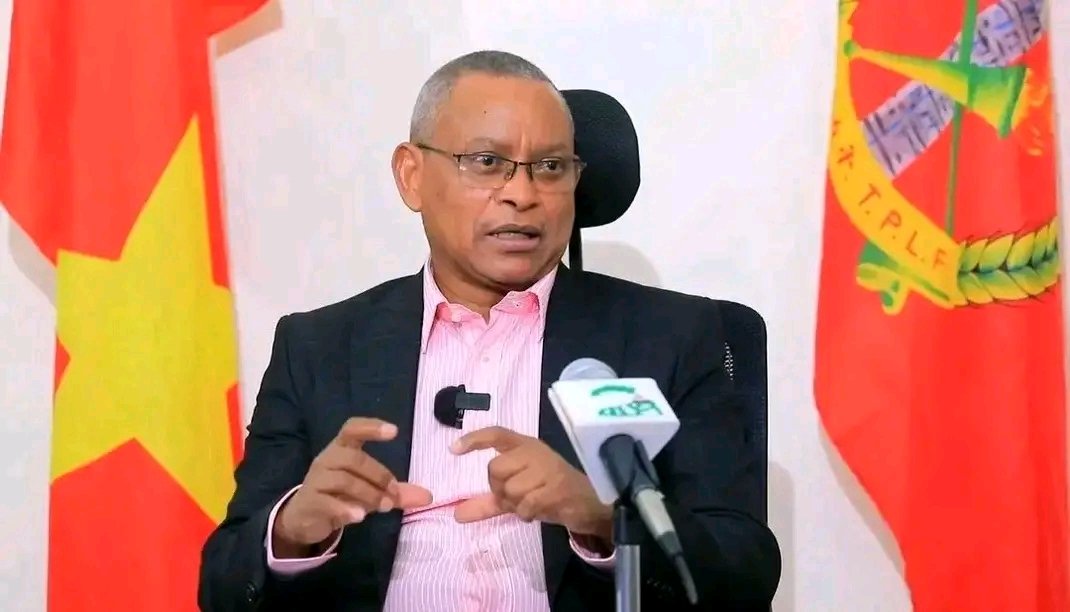
Tigray Regional Government President and TPLF Chairman Debretsion Gebremichael (PhD) says an alliance involving the Tigray People’s Liberation Front (TPLF) and other political and opposition forces has become institutionalized and “irreversible,” amid renewed tensions and clashes between Tigrayan forces and Ethiopia’s federal government.
In an interview with a local Media, Debretsion said the alliance had evolved beyond informal political cooperation and now operated under an established structure, with its own leadership, plans and a signed agreement. He added that additional groups were expected to join and said further details would be disclosed publicly at a later stage.
“There are other alliance forces that should join,” Debretsion said, according to Weyin Media. He added that the alliance “has its own plan and there is a document we have signed.”
Debretsion said the alliance was not formed solely to oppose the Prosperity Party-led federal government. Rather, he described it as a broader framework for cooperation among groups with different political interests but a shared set of immediate concerns.
“Our interests are not the same, we have our own respective interests, but at least we have one central thing that connects us,” he said.
According to Debretsion, the alliance would operate in several phases. The first phase, he said, would focus on what he described as an “existential threat” confronting its members, which they had agreed to address collectively.
He also cautioned against viewing the alliance as having predetermined Ethiopia’s future political arrangement. Questions over whether Ethiopia should remain united or undergo changes to its political structure, he said, should not be decided by the TPLF or any single political organization.
Instead, Debretsion said such questions should ultimately be resolved through dialogue and public participation. He indicated that a framework had already been developed outlining different possible courses of action, with the Ethiopian public expected to have the final say.
“I will not go into details, but steps one, two, and three have been laid out as things that can be done,” he said, emphasizing that the ultimate decision would rest with the people.
Debretsion further said the alliance was intended to prevent divisions among its members and establish an orderly mechanism for managing differences and addressing broader political questions in the future.
He did not disclose the names of all member organizations, the precise composition of the alliance’s leadership or the contents of the agreement during the interview. Instead, he said the details would be made public collectively rather than released incrementally.
From ‘Tsimdo’ to a formalized alliance
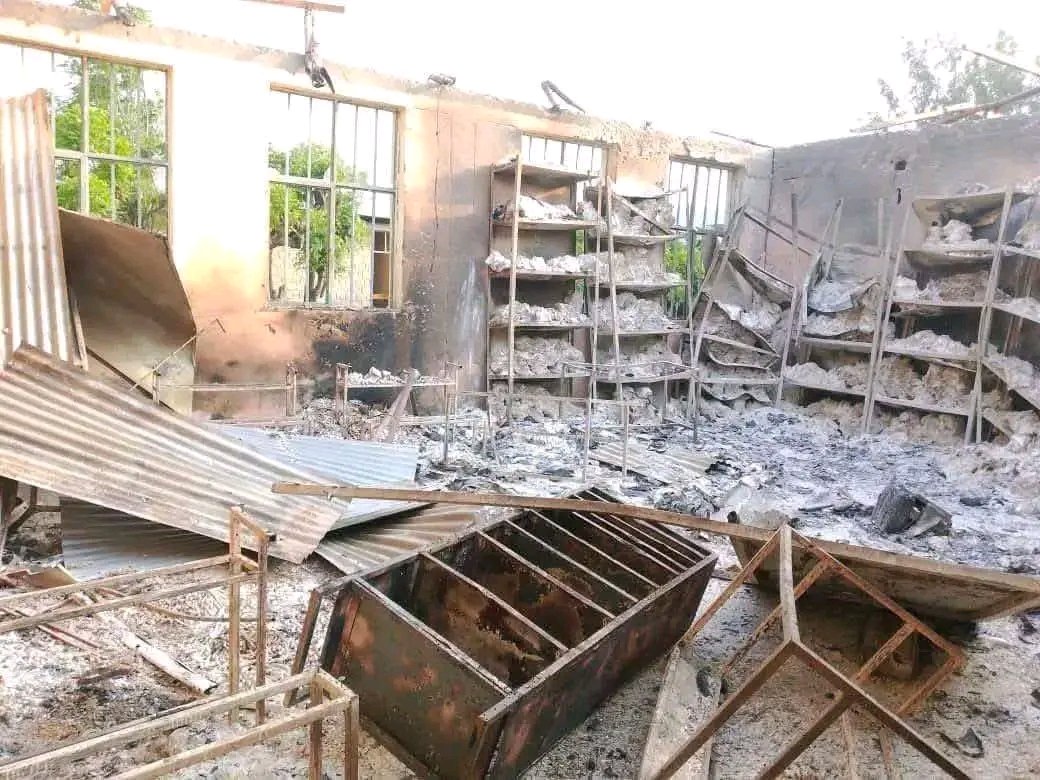
Debretsion’s remarks come amid renewed political and security tensions between Tigray and the federal government, following recent clashes in parts of the region and growing concerns over the trajectory of Ethiopia’s post-war political order.
His reference to an institutionalized alliance also adds a new dimension to months of political discussion surrounding the term “Tsimdo,” which has been used by different political and security actors to describe emerging alignments involving Tigrayan and other opposition forces.
Ethiopian government officials have portrayed the emerging alignment in security and geopolitical terms, while actors associated with Tigray and Eritrea have characterized it as a broader people-to-people, peace and reconciliation initiative.
The debate received greater attention following a gathering in Port Sudan in May 2026 held under the “Tsimdo” banner. The meeting brought together Ethiopian opposition figures, including representatives associated with the Ogaden National Liberation Front and Andargachew Tsige, among other actors.
Organizers publicly presented the gathering as an initiative aimed at promoting peaceful coexistence and strengthening relations among communities in Ethiopia, Eritrea and Sudan.
Ethiopian authorities subsequently raised concerns over the initiative, accusing armed and opposition groups of coordinating with foreign actors and warning that efforts to operationalize what officials described as the “Tsimdo” project could threaten national sovereignty.
Independent assessments, however, have characterized the emerging alignment in less definitive terms, with some analysts describing it as a loose convergence of political and armed actors opposed to the federal government rather than a unified military alliance. Against this backdrop, Debretsion’s latest comments appear to mark a shift in how the alignment is being publicly described.
While earlier discussions largely centered on the ambiguous and contested concept of “Tsimdo,” Debretsion now says the alliance has an established leadership, a political plan and a signed agreement, and that it could expand to include additional forces.
His comments also suggest that the alliance’s stated ambitions extend beyond confronting the federal government. By emphasizing dialogue and public participation in determining Ethiopia’s future political arrangement, Debretsion framed the emerging coalition as a potential political platform for addressing broader questions over the country’s future.
However, the precise membership, organizational structure and objectives of the alliance remain unclear pending the public disclosure of the agreement and other details referenced by Debretsion.