By Staff Member
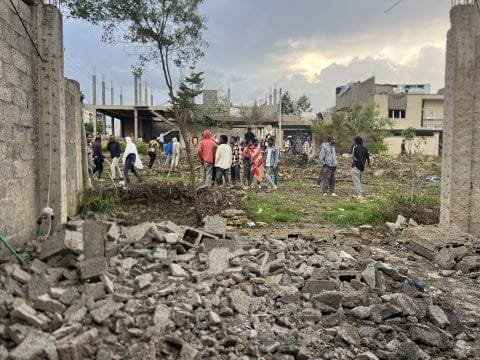
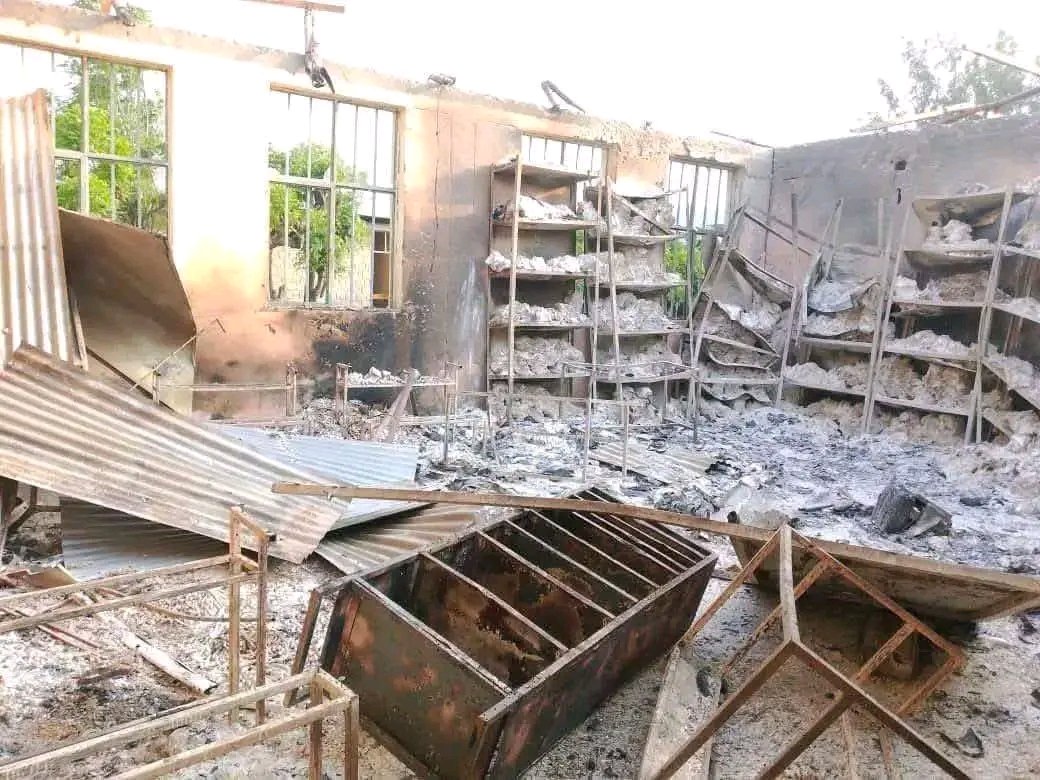
The Tigray Education Bureau has raised alarm over a series of air and drone strikes that it says have damaged schools, destroyed educational equipment and injured teachers and their families across the region in 2026.
In a statement issued in Mekelle on 27 August, the bureau said the attacks had intensified as Tigray prepares to begin registration for the 2026/27 academic year. It accused the Ethiopian government of deliberately targeting educational institutions and members of the education community in an effort to disrupt the reopening of schools.
The bureau said the latest incidents form part of a wider pattern of destruction that began during the war in Tigray and has continued to affect the region’s education system.
Among the incidents cited was an airstrike in January on Zalaqme Primary School in Kola Tembien Woreda. According to the bureau, four classrooms and student water facilities were completely destroyed, affecting 432 students who were expected to return to school.
On 10 August, a drone strike reportedly hit Merewa General Secondary School in Raya Alamata Woreda. The bureau said four classrooms and educational equipment were damaged, potentially disrupting the return of more than 800 students for the new academic year.
Another strike on 20 August reportedly hit residential housing occupied by teachers in Hawelti Sub-city, Mekelle. The bureau said more than 14 teachers and family members sustained serious or minor injuries. Several homes, including houses reportedly constructed by teachers using loans from financial institutions, were also destroyed along with household belongings.
The bureau said a further drone attack on 26 August struck Gejet General Secondary School in Seharti Woreda. Classrooms were reportedly destroyed, together with 35 computers supplied through the World Bank-supported General Education Quality Improvement Program for Equity (GEQIP-E), also known as the 3R programme.
A subsequent nighttime drone strike reportedly destroyed Abraha Weatsbaha Primary School in Kilte-Awlaelo district. Kiros Guesh, head of the Tigray Education Bureau, said the school had recently received additional classrooms constructed by Plan International Ethiopia for early childhood care and development, with support from the European Union.
The bureau also expressed concern about broader pressures on teachers and students. It alleged that teachers’ salaries have not been paid since October 2025, saying the situation has made it increasingly difficult for educators to continue working.
The regional education authority also criticized the handling of Grade 12 examinations. It said more than 15,000 students who had been expected to take paper-based examinations were instead required to sit for online examinations.
After the bureau objected, it said another examination was organized and administered at a different time, which officials said negatively affected students.
The latest allegations come as Tigray continues to struggle with the long-term consequences of the war, displacement, food insecurity and economic hardship.
In early 2024, the education bureau warned that more than 222,000 students in 625 schools located in drought-affected areas were at risk of dropping out because of severe food insecurity. Officials attributed the worsening education crisis to the combined effects of the conflict, drought, irregular rainfall and locust infestations.
By October 2024, officials said only about 40 percent of Tigray’s more than 2.4 million eligible students had registered for the academic year. More than 100 schools were reportedly still being used to accommodate internally displaced people, while hundreds of other schools remained outside the education bureau’s control in areas controlled by Amhara and Eritrean forces.
The conflict also severely reduced the region’s teaching workforce. According to figures previously reported by the bureau, the number of teachers declined from nearly 46,600 before the war to fewer than 32,000.
The bureau has previously estimated that the conflict damaged a large majority of the region’s educational infrastructure, including 88 percent of classrooms, 96 percent of desks, 97 percent of blackboards, 85 percent of computers and 87 percent of plasma televisions used for teaching.
It has also reported that approximately 2,146 members of the school community were killed during the war, including 1,911 students.
The education authority said the latest attacks could further undermine efforts to restore schooling and prevent thousands of children from losing access to education.
The bureau appealed to international organizations and governments to condemn attacks on educational institutions and support efforts to rebuild the sector. Its requests include the reconstruction of damaged schools, psychosocial and development programs for teachers and school leaders, catch-up education programmes, expanded use of education technology and school feeding initiatives.
The Ethiopian federal government and the federal Ministry of Education had not publicly responded to the allegations concerning the latest drone strikes at the time of publication.