By BINYAM DANIEL
The decision to deny licence renewals to The Ethiopian Reporter marks another alarming escalation in the government’s campaign against independent journalism, exposing the widening gap between Abiy Ahmed’s promises of democratic reform and the reality of political censorship in Ethiopia.
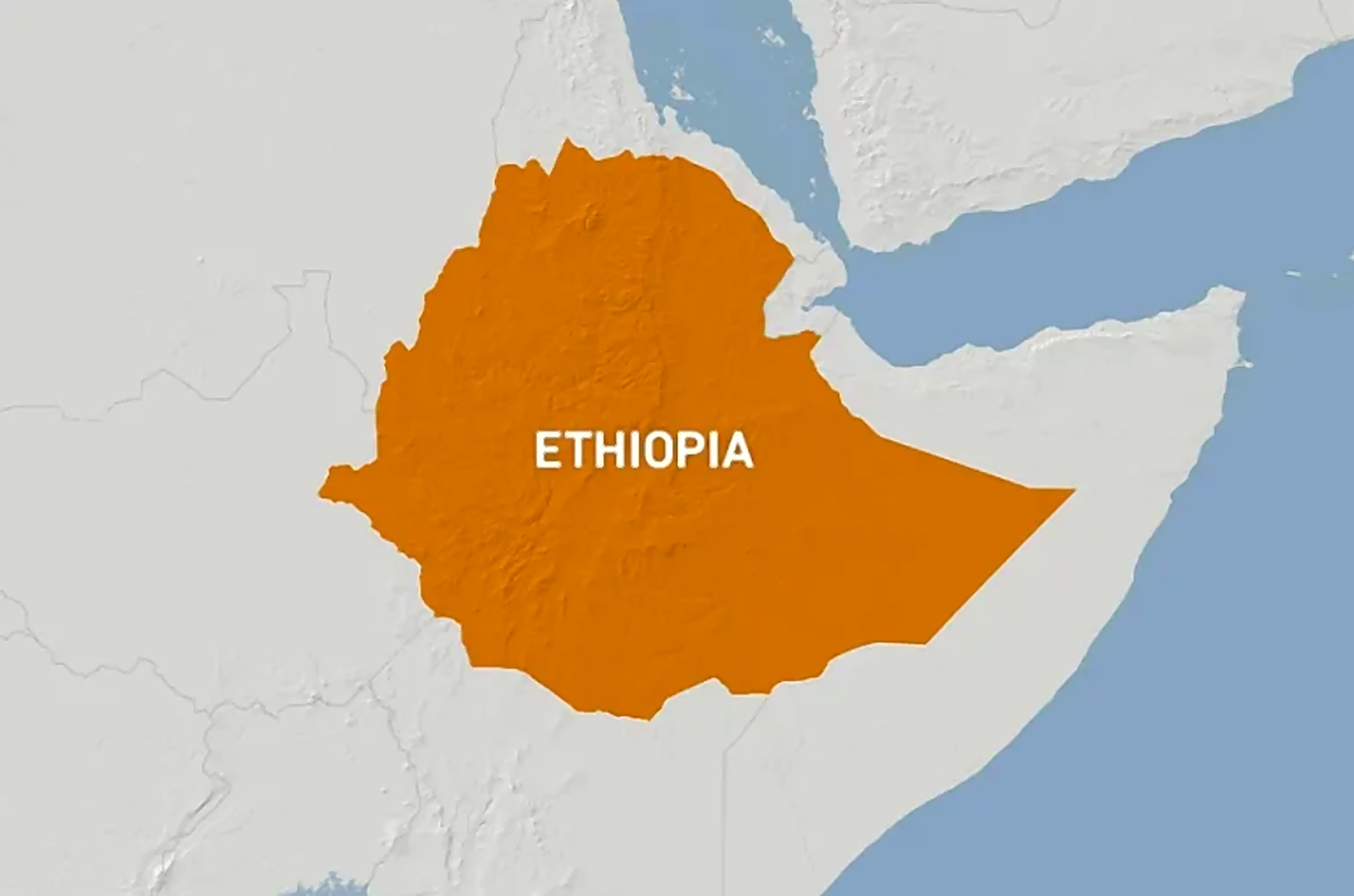
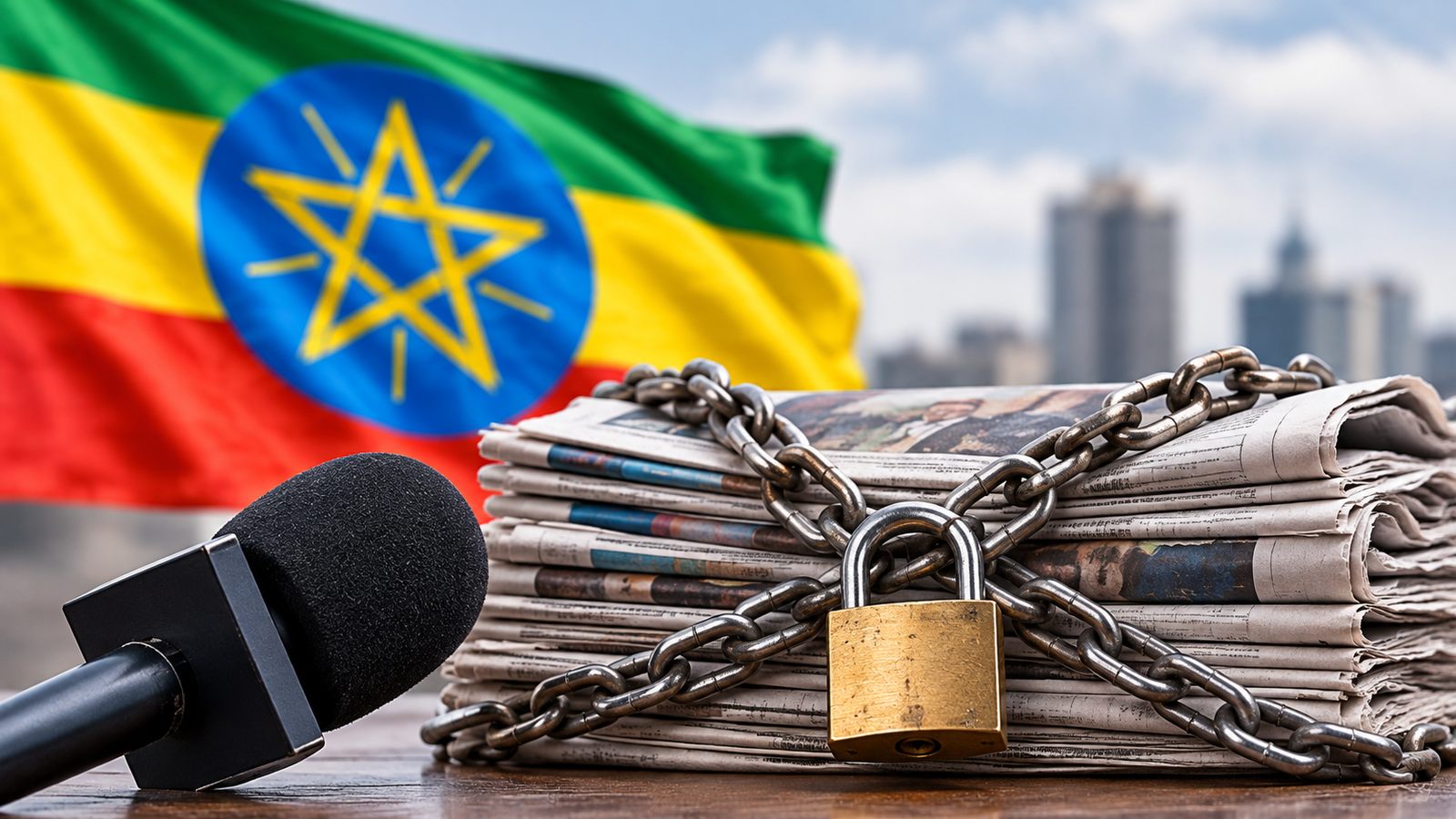
Ethiopia’s already battered independent media landscape has suffered another devastating blow after the country’s media regulatory authority announced that it would no longer renew the operating licences of The Reporter newspaper and its online publication, effective March 11, 2026.
The decision represents more than an administrative measure against a private media organisation. It raises serious questions about the survival of independent journalism in a country where the government increasingly appears unwilling to tolerate critical reporting, investigative journalism and public scrutiny of those in power.
For a government that came to office promising political liberalisation, democratic reform and an end to censorship, the decision is another indication of how dramatically Ethiopia’s political environment has changed under Prime Minister Abiy Ahmed.
The regulatory agency justified its decision by accusing The Reporter of disregarding national security and failing to comply with broadcasting regulations and legal requirements relating to the country’s economic interests.
However, the government has yet to convincingly demonstrate why the newspaper’s reporting warrants such a severe measure. The use of broad national security and regulatory justifications against independent media organisations raises concerns that administrative powers are being turned into instruments of political control.
When a government can effectively silence a newspaper through regulatory decisions, without a transparent and independent process capable of scrutinising the allegations, the consequences extend far beyond the affected publication.
They strike at the very foundations of press freedom.
Investigative Journalism Becomes a Threat to Those in Power
The decision against The Reporter comes amid controversy surrounding its reporting on alleged corruption involving senior government officials and prominent figures in the entertainment industry. The alleged scandal reportedly involves financial irregularities worth more than 80 billion birr.
Rather than allowing the allegations to be subjected to independent scrutiny, Prime Minister Abiy Ahmed reportedly addressed the controversy during a parliamentary session, dismissing the accusations without a publicly established independent investigation.
This raises a fundamental question: why should investigative journalism be treated as a threat to national security when its purpose is to expose possible corruption and demand accountability from public officials?
In any functioning democracy, allegations involving billions of birr in public or private financial misconduct deserve serious investigation, transparency and public accountability. The responsibility of a government is to establish the facts, not to intimidate the institutions reporting them.
The treatment of The Reporter sends a disturbing message to other Ethiopian journalists: investigating powerful individuals and exposing alleged wrongdoing could place the future of their publications in jeopardy.
It is precisely this kind of environment that encourages self-censorship, protects powerful interests from scrutiny and deprives citizens of their right to know how their country is governed.
Sources who spoke to The East African Daily described the decision as one of the most significant setbacks for Ethiopian media freedom in decades.
They argued that independent publications had struggled for years to survive mounting political and economic pressures, including increasingly expensive newsprint, printing costs and other operational challenges. The latest regulatory action, they said, could effectively eliminate one of the country’s remaining established independent newspaper institutions.
Government Becoming the Country’s Most Powerful Media Actor
The growing dominance of government-controlled and government-influenced media has also raised concerns about the disappearance of meaningful editorial independence in Ethiopia.
A source familiar with the country’s media environment told The East African Daily, requesting anonymity for security reasons, that the government’s influence over national radio, television and newspaper coverage has reached an unprecedented level.
The source said many Ethiopians increasingly find it difficult to distinguish independent journalism from official government messaging and communications originating from the Prime Minister’s Office.
This is particularly dangerous in a country experiencing armed conflict, political instability, widespread allegations of corruption and serious human rights concerns.
When public broadcasting institutions increasingly function as instruments of government messaging rather than independent sources of information, citizens lose access to competing perspectives and the ability to scrutinise official narratives.
A government that dominates the flow of information can shape public perception, marginalise dissenting voices and avoid uncomfortable questions.
The problem is not simply that the government has powerful communication platforms. It is that independent media organisations, which should provide a counterbalance to state power, are increasingly struggling to operate.
The Reporter was among Ethiopia’s most established privately owned independent newspapers. Its contribution to public debate and investigative reporting made it an important institution in a media environment already weakened by years of political pressure.
Its exclusion from the licensed media landscape could therefore represent a defining moment in the decline of independent journalism in Ethiopia.
Independent Media raid and the Growing Climate of Intimidation
The case of The Reporter is part of a wider pattern of pressure against independent media organisations.
The offices of Addis Standard, another prominent independent online publication, were reportedly raided by security officials. Members of its staff were arrested, while office equipment, including computers and laptops, was reportedly confiscated.
Such actions raise serious concerns about the safety of journalists, the protection of media institutions and the ability of independent newsrooms to operate without fear of government interference.
A media organisation cannot function freely when its journalists face arrest, its offices are vulnerable to security raids and its equipment can be confiscated.
The cumulative effect of these actions is devastating. Even journalists who have not been directly targeted may begin avoiding sensitive investigations, declining to publish critical reports or abandoning journalism altogether.
This is how censorship becomes institutionalised: not only through direct bans and arrests, but also through fear, intimidation and the systematic destruction of independent media institutions.
From Nobel Peace Prize Laureate to an Increasingly Criticised Leader on Press Freedom
Perhaps the greatest contradiction in Abiy Ahmed’s political legacy is the widening gap between the international image that helped earn him the 2019 Nobel Peace Prize and the domestic political realities confronting Ethiopia today.
When Abiy came to power in 2018, he presented himself as a reformist leader determined to open Ethiopia’s political space, release political prisoners, allow greater freedom of expression and end decades of state-imposed restrictions.
His early reforms generated considerable international optimism. Journalists who had fled the country were allowed to return, previously blocked websites became accessible, and several media organisations began operating in a more open environment.
However, that initial optimism has been overshadowed by subsequent developments.
Since then, Ethiopia has witnessed renewed restrictions on journalism, arrests of media professionals, pressure on independent publications and growing concerns about the government’s treatment of dissenting voices.
The government of a leader who received international recognition for his peace initiatives is now facing increasingly serious questions about its commitment to democratic freedoms at home.
The Nobel Peace Prize was never intended to provide any government with permanent immunity from criticism. Nor should international recognition become a shield against scrutiny of domestic abuses of power.
Abiy Ahmed’s government must be judged not by the promises it made when it came to power or the international awards it received, but by its actual record in protecting the rights and freedoms of Ethiopian citizens.
A Country Falling Further Behind on the Rule of Law
The deterioration of press freedom is taking place alongside broader concerns about Ethiopia’s institutional accountability and adherence to the rule of law.
The newly released World Justice Project (WJP) Rule of Law Index 2026 ranks Ethiopia 133rd out of 143 countries and jurisdictions worldwide.
The country recorded an overall score of 0.36, representing a 1.3 per cent decline from the previous evaluation period. This is significantly below the Sub-Saharan African regional average of 0.45.
The ranking places Ethiopia among the world’s weakest performers on the rule of law, reflecting persistent challenges in institutional accountability, government transparency and access to impartial justice.
The WJP assessment examines four fundamental principles: accountability, just law, open government, and accessible and impartial justice.
These are measured through eight factors and 44 sub-factors, including constraints on government powers, absence of corruption, fundamental rights, order and security, regulatory enforcement, civil justice and criminal justice.
The findings provide an important context for understanding the challenges facing independent journalism in Ethiopia.
A country cannot meaningfully claim to uphold the rule of law while independent institutions face pressure for questioning those in power, journalists fear imprisonment for their reporting and regulatory authorities are perceived as lacking sufficient independence.
The freedom of the press is not a privilege granted by political leaders. It is a fundamental democratic safeguard that enables citizens to hold governments accountable.
The Final Nail in the Coffin of Independent Journalism?
For Ethiopia, the consequences of the decision against The Reporter could be far-reaching.
Independent journalism is not merely an industry competing for readers or advertising revenue. It is an essential institution in any society that seeks to prevent corruption, expose abuses of power and protect citizens against government excesses.
Without independent newspapers, investigative online publications and journalists willing to challenge official narratives, those who hold political and economic power face fewer obstacles to operating without public scrutiny.
The closure or exclusion of established independent media organisations does not eliminate the problems they report on. It simply makes those problems harder for the public to discover.
Ethiopia’s media landscape has endured decades of political interference, censorship, economic hardship and intimidation. The country had nevertheless made important progress towards a more pluralistic media environment, despite the difficulties.
That progress is now under serious threat.
The government must explain why The Reporter’s licences were not renewed, provide transparent evidence supporting its accusations and ensure that the publication has access to an independent and fair appeals process.
More importantly, the government must recognise that national security cannot become a convenient justification for suppressing investigative journalism and silencing critical voices.
The Fourth Estate is supposed to hold power accountable, not seek permission from those in power to scrutinise them.
If a government cannot tolerate critical newspapers, independent investigations or uncomfortable questions, the problem is not the journalists asking those questions. The problem is a political system increasingly unwilling to answer them.
For Abiy Ahmed, whose political rise was built partly on promises of openness and democratic renewal, the treatment of Ethiopia’s independent media may ultimately become one of the most damaging measures of his political legacy.
The death of the Fourth Estate would not simply mark the end of an era for Ethiopian newspapers. It would represent a profound defeat for public accountability, democratic participation and the right of millions of Ethiopians to know the truth about their government.