Latest posts

The Paradox of Plenty: Why Nations Rich in Natural Resources Often End Up Poor in Prosperity, Democracy, and Stability

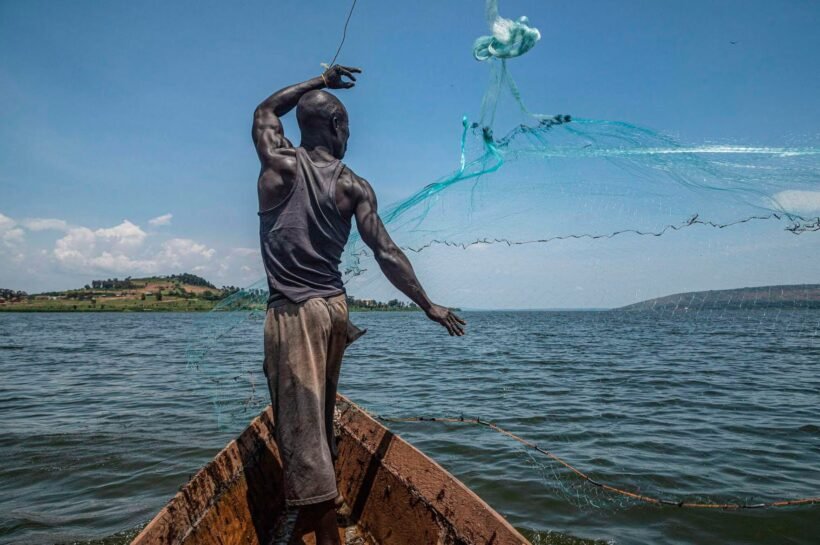
By Atwemereireho Alex In the annals of political economy, few phenomena are as paradoxical, enduring, and intellectually unsettling as the resource curse, also known as the paradox of plenty, the empirically demonstrable reality that countries endowed with abundant natural resources frequently record worse outcomes in economic growth, human development, democratic governance, and political stability than…

Court Case Against Tigray General Sparks Serious Concerns Over Due Process and Judicial Independence

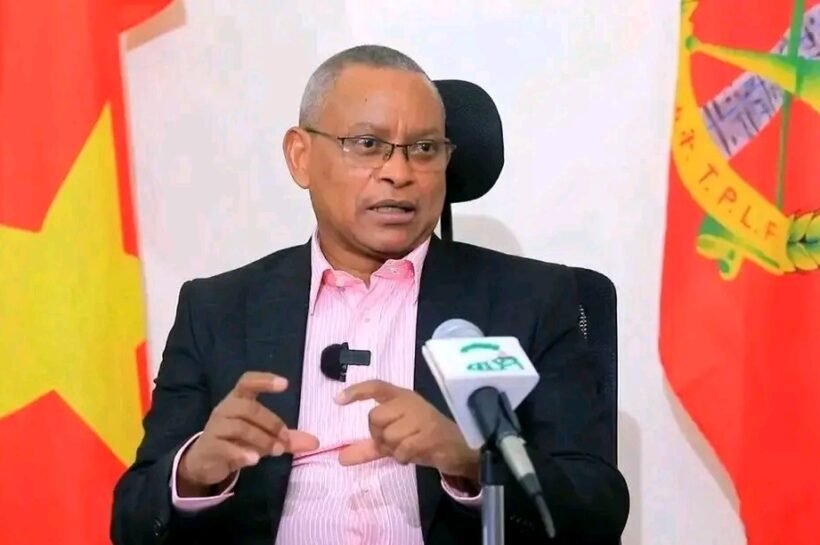
By RANIA H. The arrest and prosecution of General Guesh Gebre, former commander of Army 15 of the Tigrayan forces, have intensified concerns about due process, judicial independence, and the politicization of security institutions in post-war Tigray. General Guesh appeared before the Tigray Security Forces Central First Instance Court on January 10, 2026, facing three…

From Unity to Trauma: How the Tigray Genocide Reshaped Sociopolitical Life and Fractured Collective Cohesion

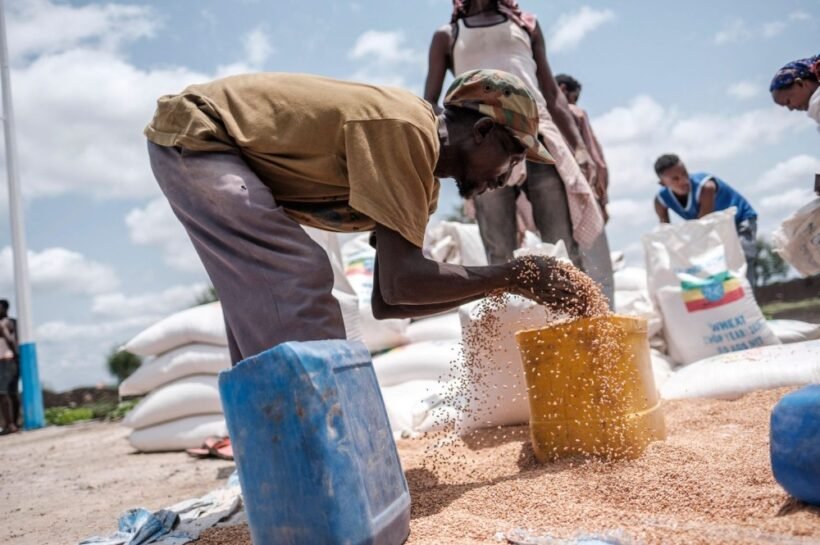
By GEBREWAHID AMHA ABESHA Between November 2020 and subsequent years, the people of Tigray were subjected to one of the gravest atrocities of the 21st century. The war against Tigray involved mass killings of civilians, widespread sexual violence, deliberate starvation, destruction of infrastructure, forced displacement, and the systematic dismantling of social institutions. International human rights…