By SUMUR TSEHAYE
Ethiopia’s political landscape is once again entering a volatile phase as tensions between the federal government and several regional and opposition groups intensify, raising fears of renewed instability in a country still emerging from years of conflict.
Over the past weeks, diplomatic sources, civil society actors, and local residents have reported increasing signs of political fragmentation, stalled peace processes, and widening mistrust between Addis Ababa and multiple regional administrations. Analysts say the combination of security crackdowns, unresolved political grievances, and growing economic hardship is feeding a climate of uncertainty.
Rising Frictions With Regional States
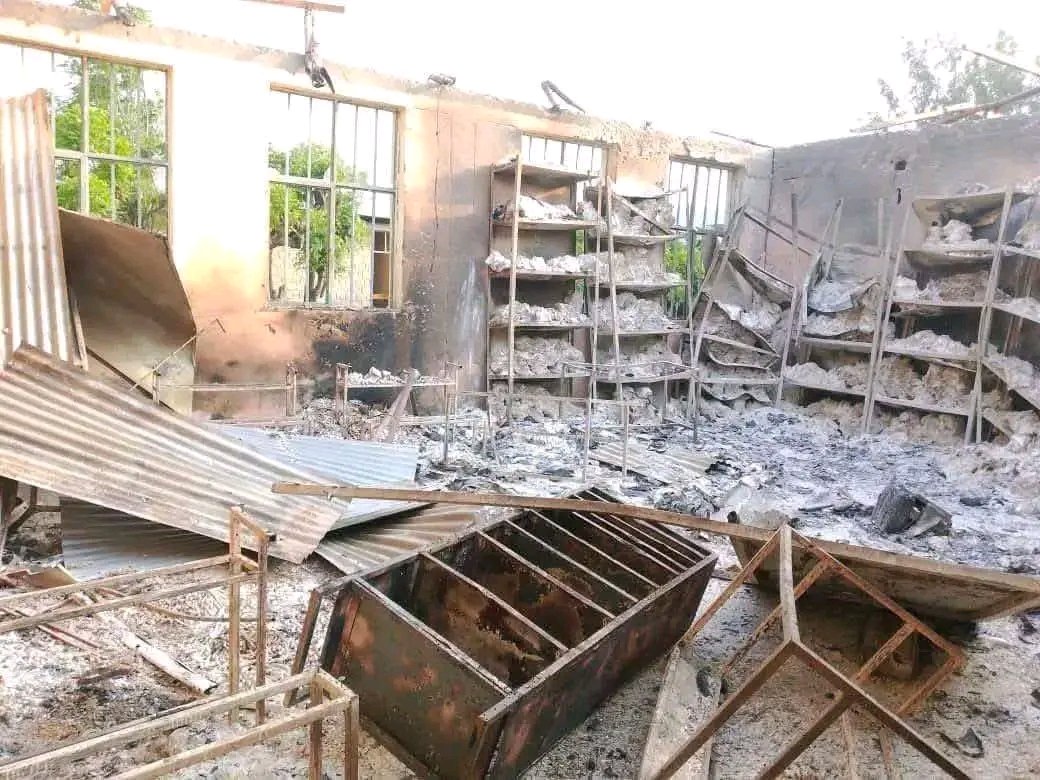
Tensions remain high in the Amhara and Oromia regions, where security operations and armed resistance continue to challenge the authority of the federal government. Residents in parts of the Amhara region report sporadic clashes between federal forces and local militia groups, underscoring the fragility of the situation months after authorities declared major operations had subsided.
In Oromia, the conflict involving the Oromo Liberation Army (OLA) shows little sign of abating, despite government promises of renewed dialogue. Local observers say communities remain caught between shifting battle lines, displacement, and inconsistent political messaging from both sides.
Tigray’s Internal Dispute Raises New Questions
In the Tigray region, the internal rift between the interim administration and segments of the political and civil society community continues to deepen. Contentions over governance, power-sharing, and the region’s reconstruction priorities have sparked public disagreements, raising concerns about whether the fragile post-war environment can hold without a more inclusive political process.
Efforts to finalize security arrangements—particularly the integration or disarmament of Tigrayan forces—have also stalled, adding pressure to ongoing negotiations between Mekelle and Addis Ababa.
Opposition Groups Accuse Federal Government of Shrinking Civic Space
Opposition parties, journalists, and rights advocates have voiced growing concern over what they describe as a shrinking political space. Several political leaders allege increased surveillance, intimidation, and restrictions on gatherings.
Human rights organizations have likewise warned that multiple regions remain under informal states of heightened security control, limiting free expression and civic participation.
The federal government denies these accusations, insisting that security measures are necessary to counter armed groups and maintain national stability.
Economic Pressures Intensify Political Discontent
Ethiopia’s broader socio-economic struggles—including inflation, unemployment, and a persistent foreign-currency shortage—have contributed to rising public frustration. Market traders, farmers, and urban youth say daily life has become increasingly difficult, fueling dissatisfaction with local and federal authorities.
International financial institutions say Ethiopia’s reform agenda remains hampered by political instability, making economic recovery slow and uneven.
Regional and International Concern
Neighboring countries and international partners are watching developments in Ethiopia closely.
Diplomats in Addis Ababa say foreign governments are increasingly worried that unresolved political divisions—combined with ongoing armed conflicts—could undermine regional stability.
Efforts by the African Union and other partners to encourage national dialogue have yet to produce lasting breakthroughs, though diplomatic engagement behind the scenes continues.
Uncertain Path Ahead
Ethiopia now stands at a crossroads, with multiple political, security, and economic challenges converging at once.
Many Ethiopians are calling for renewed commitment to dialogue, accountability, and political compromise, warning that failure to address deep-rooted grievances risks further destabilization.
Whether the federal government can navigate these mounting pressures and bring competing groups to the negotiating table will determine the country’s trajectory in the months ahead.