By RANIA H.
As Ethiopia approaches the upcoming general election on June 1, 2026, the country stands not at the threshold of democratic renewal, but at a moment of reckoning.
Behind official rhetoric of reform and stability lies a nation struggling with eroded political trust, economic policies that burden the poor, and unresolved conflicts that continue to displace millions.
An Election in Name, Not in Substance
The Ethiopian government has presented the 2026 election as evidence of political normalization after years of conflict.
Yet conditions on the ground suggest an electoral process largely devoid of genuine competition.
Major opposition figures remain imprisoned, exiled, or politically sidelined. Independent media outlets operate under persistent legal and security pressure, while civil society space continues to shrink.
Large swathes of the country remain inaccessible or insecure, raising fundamental questions about whether universal participation is even possible.
In this context, critics argue the election risks becoming a procedural exercise designed to legitimize entrenched power rather than reflect the will of the electorate.
Economic Stabilization at the Public’s Expense
Economically, Ethiopia’s push to restructure roughly $1 billion in external debt has been hailed internationally as progress.
However, this “stabilization” has come at a steep domestic cost. Inflation remains punishing, public services are under strain, and unemployment particularly among youth continues to rise.
IMF-backed reforms, including currency adjustments and reduced subsidies, have disproportionately affected low-income households.
While international creditors see discipline and reform, many Ethiopians experience deepening poverty and growing resentment toward a political elite seemingly insulated from hardship.
Strategic Alliances, Strategic Silence
Ethiopia’s deepening relationship with China has brought investment and infrastructure, but also reinforced a development model that prioritizes state-led projects over political accountability.
Critics warn that opaque loan agreements and limited public oversight risk repeating past cycles of dependency and debt.
Meanwhile, the government’s once-celebrated peace with Eritrea has deteriorated into ambiguity and tension.
The absence of transparent diplomacy, combined with militarization along sensitive corridors, has heightened fears of renewed regional instability—this time with even fewer diplomatic safeguards.
Humanitarian Crisis Normalized
Perhaps most troubling is how Ethiopia’s humanitarian crisis has become normalized.
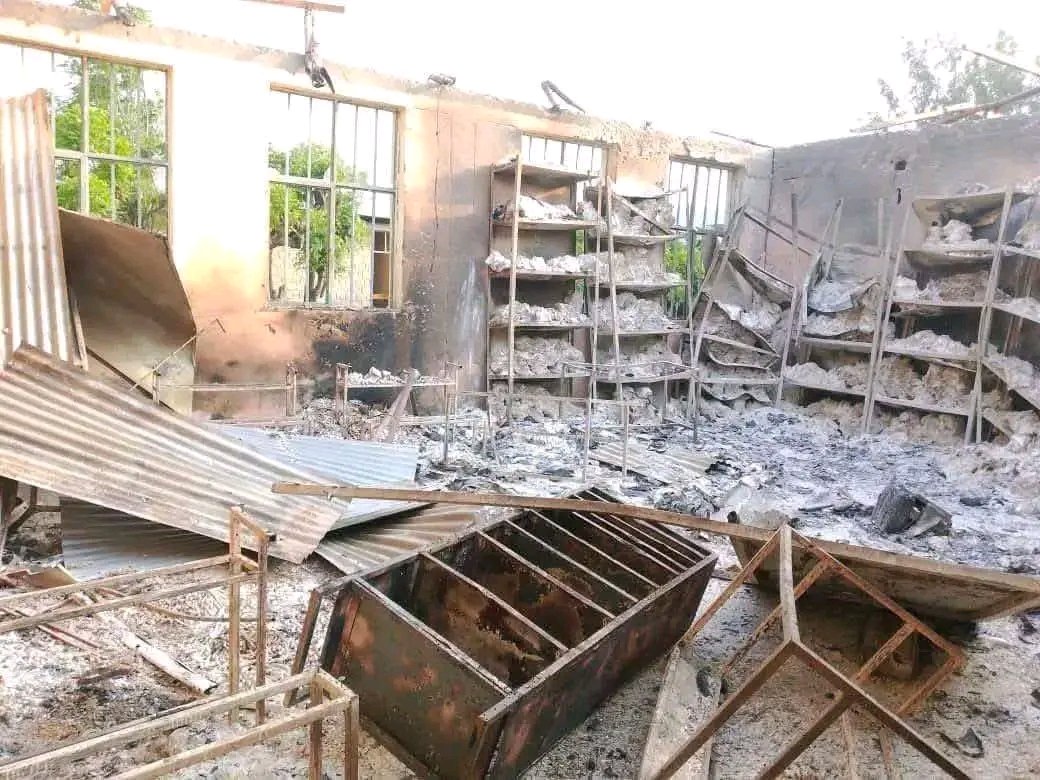
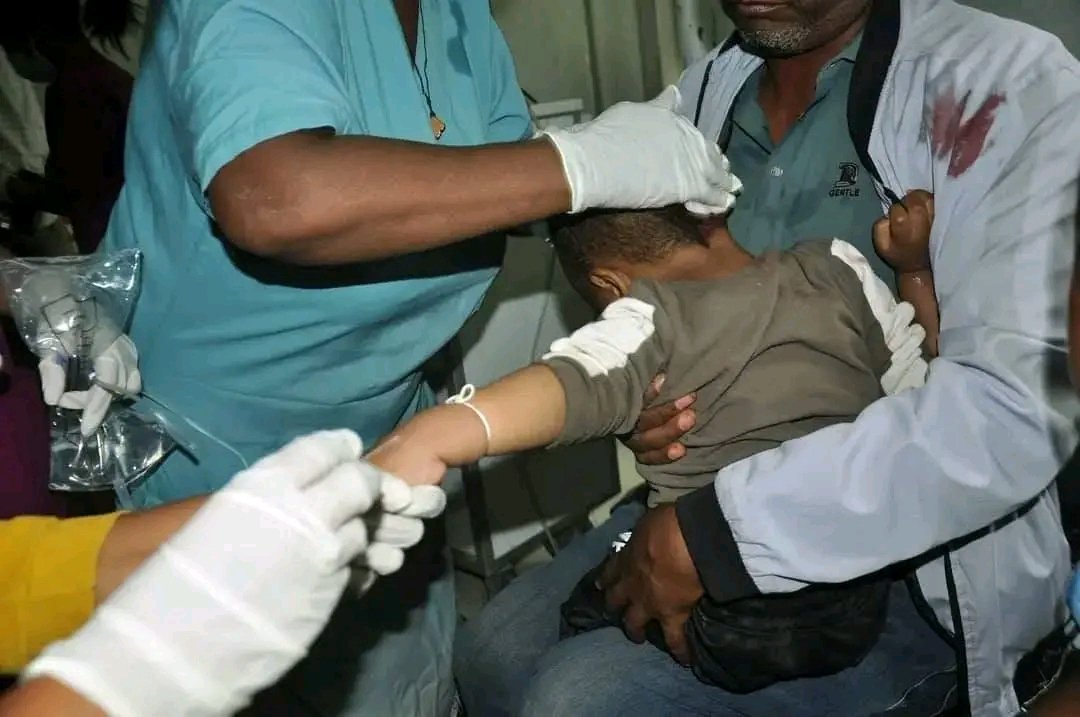
Millions remain displaced, aid access is inconsistent, and credible allegations of abuses during recent conflicts remain largely unaddressed.
Survivors continue to wait for justice, while national reconciliation processes lack independence and inclusivity. Women, despite bearing disproportionate suffering, remain marginal to peace and political negotiations—an exclusion that undermines any claim to sustainable peace.
A Closing Window
Ethiopia’s leaders insist the country is on the right path. Yet without meaningful political opening, economic justice, and accountability for past and ongoing abuses, that path appears increasingly narrow.
As the 2026 election approaches, the central question is no longer whether Ethiopia can hold a vote but whether it can confront the realities it has long postponed.
Failure to do so risks entrenching instability and disillusionment for a generation to come.