By Hana-Mariam Teshome
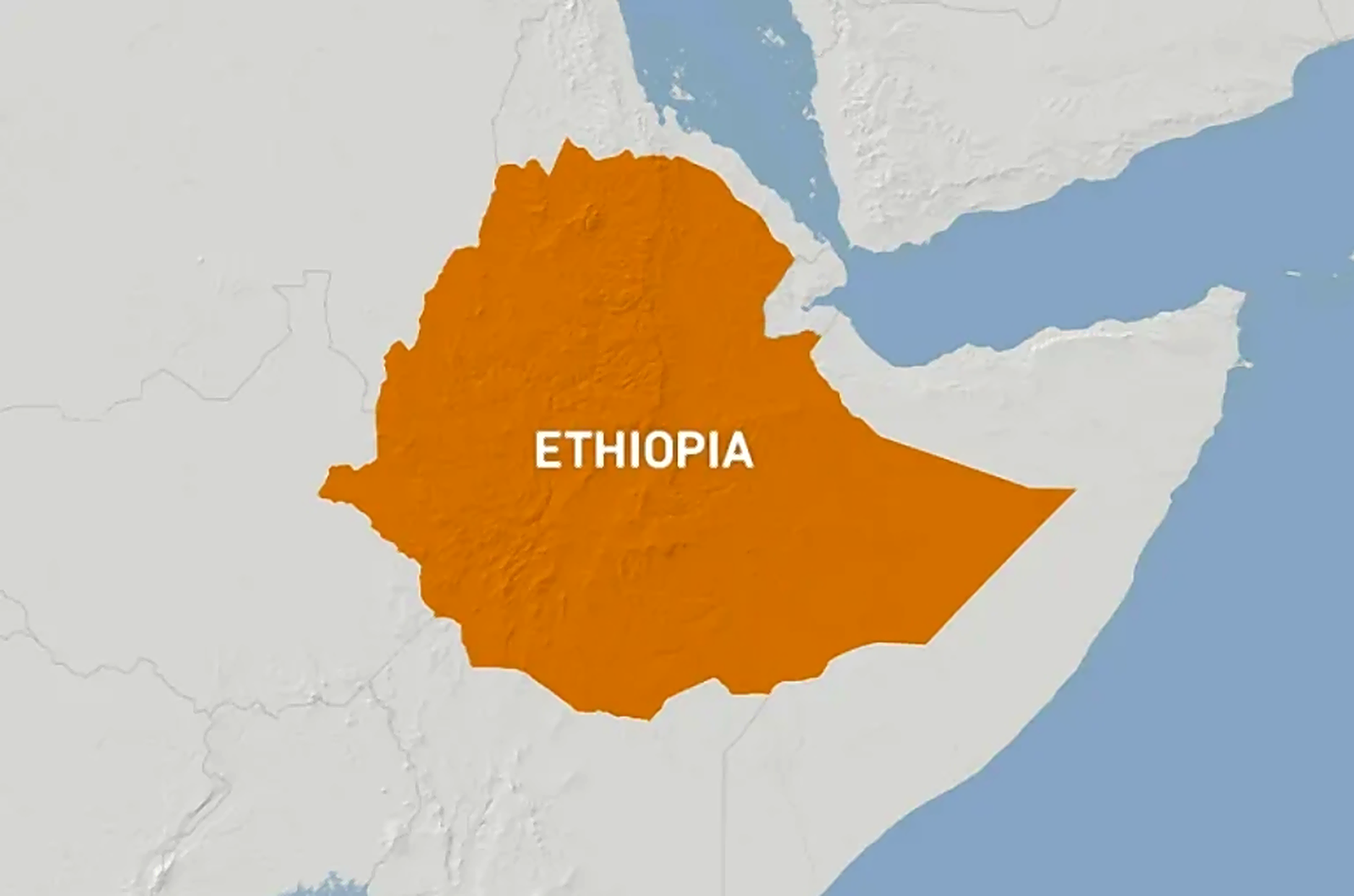
Ethiopia held national elections on June 1, 2026, amid ongoing conflicts, political tensions, and growing concerns over democratic participation.
While more than 50 million citizens were registered to vote, the election once again raised a fundamental question: can an election truly represent the will of the people when significant portions of the country remain excluded from the process?
The ruling Prosperity Party, led by Prime Minister Abiy Ahmed, entered the election as the overwhelming favorite. Major international media outlets, including Reuters, reported before voting began that the ruling party was widely expected to secure another decisive victory.
The prediction was not based solely on popularity but also on the political reality that many opposition parties remain weakened, fragmented, or unable to operate effectively in parts of the country.
Although Ethiopian authorities presented the election as another step in the country’s democratic journey, the process unfolded against the backdrop of continuing insecurity.
Large areas affected by conflict, particularly in Tigray, Amhara, and Oromia, faced challenges that prevented full participation. In some locations, polling stations remained closed due to security concerns, leaving many citizens unable to exercise their constitutional right to vote.
Democracy is not measured solely by the number of ballots cast. Its legitimacy depends on whether all citizens have a meaningful opportunity to participate.
When millions of people live in regions affected by armed conflict, displacement, or political instability, the credibility of an election inevitably comes under scrutiny. An election may produce a winner, but it cannot necessarily produce national consensus.
The challenges facing Ethiopia extend far beyond election day. The country continues to grapple with armed conflicts involving various groups, including Fano forces in the Amhara region and the Oromo Liberation Army in Oromia.
Meanwhile, the implementation of peace and reconciliation efforts following the Tigray conflict remains incomplete. These unresolved crises have created an environment in which elections are taking place before many of the underlying political disputes have been addressed.
Many analysts argue that sustainable democracy requires more than electoral competition. It requires inclusive political dialogue, independent institutions, media freedom, and peace agreements that allow all major political actors to participate without fear.
Elections conducted while key stakeholders remain engaged in conflict are unlikely to resolve the country’s deep political divisions. Critics have also raised concerns about the broader political environment.
Opposition groups and civil society organizations have repeatedly questioned whether electoral competition can be considered fully fair when restrictions on political activities, arrests of opposition figures, and limitations on independent media continue to be reported.
Government officials reject these accusations and maintain that the electoral process complies with national laws and international standards.
Regardless of the final results, the most important issue facing Ethiopia is not which party wins power, but whether the country’s political system can earn the trust of all its citizens.
Elections are intended to provide a peaceful mechanism for resolving political differences. However, when large sections of the population are unable to participate or do not believe the process is inclusive, elections risk becoming a source of further division rather than national unity.
For Ethiopia to achieve lasting stability, future elections must be preceded by meaningful peace agreements, broader political inclusion, and guarantees that every citizen, regardless of region or political affiliation, can freely participate in determining the country’s future.
Without these foundations, electoral victories may secure governmental authority, but they will struggle to secure the national legitimacy necessary for long-term peace and democratic development.
The future of Ethiopian democracy will ultimately depend not on who wins elections, but on whether all Ethiopians are given an equal voice in shaping the destiny of their nation.