By RANIA H.
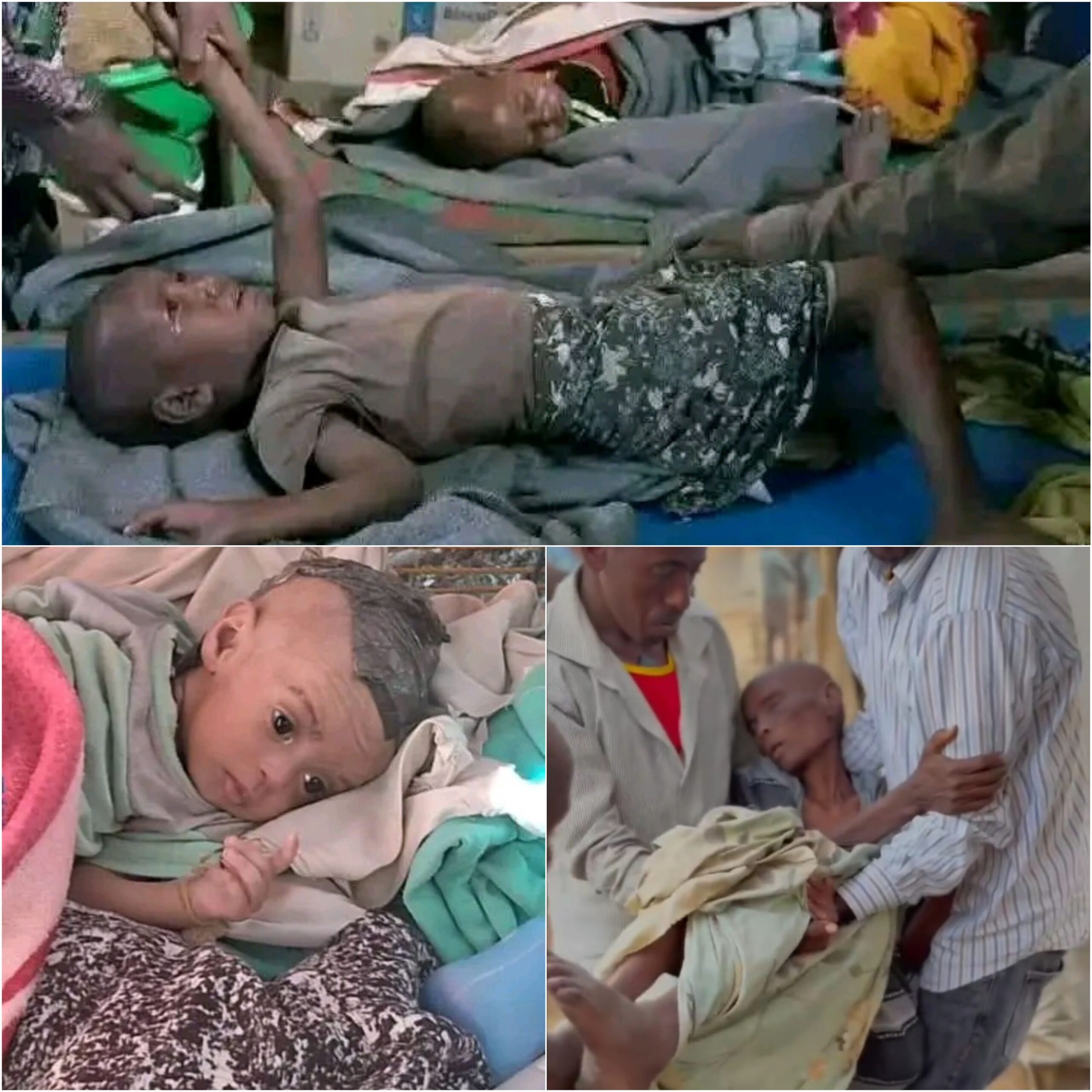
The humanitarian crisis facing internally displaced persons (IDPs) in Ethiopia’s Tigray region has deteriorated into a severe emergency, with starvation-related deaths rising sharply across multiple displacement sites, despite official assurances that substantial food aid has been delivered.
The crisis is rooted in the conflict that erupted in November 2020, which displaced millions of civilians and devastated essential services.
Although the Pretoria Cessation of Hostilities Agreement, signed in November 2022, committed all parties to unrestricted humanitarian access and the safe return of displaced populations particularly from Western Tigray core provisions of the agreement remain largely unimplemented.
More than one million people continue to live in IDP camps under increasingly dire conditions.
By December 2025, reported mortality rates in displacement centers including Hitsats, Shire, Adwa, Abiy-Addi, Adigrat, and Mekelle have surpassed levels recorded during periods of active fighting, according to field reports and local monitoring groups.
Accounts from the camps describe widespread severe malnutrition, a growing number of daily burials, and a disproportionate impact on children and the elderly.
Conflicting Claims Over Aid Delivery
Ethiopian Early Warning and Disaster Risk officials have stated publicly that significant quantities of humanitarian assistance have been dispatched to Tigray.
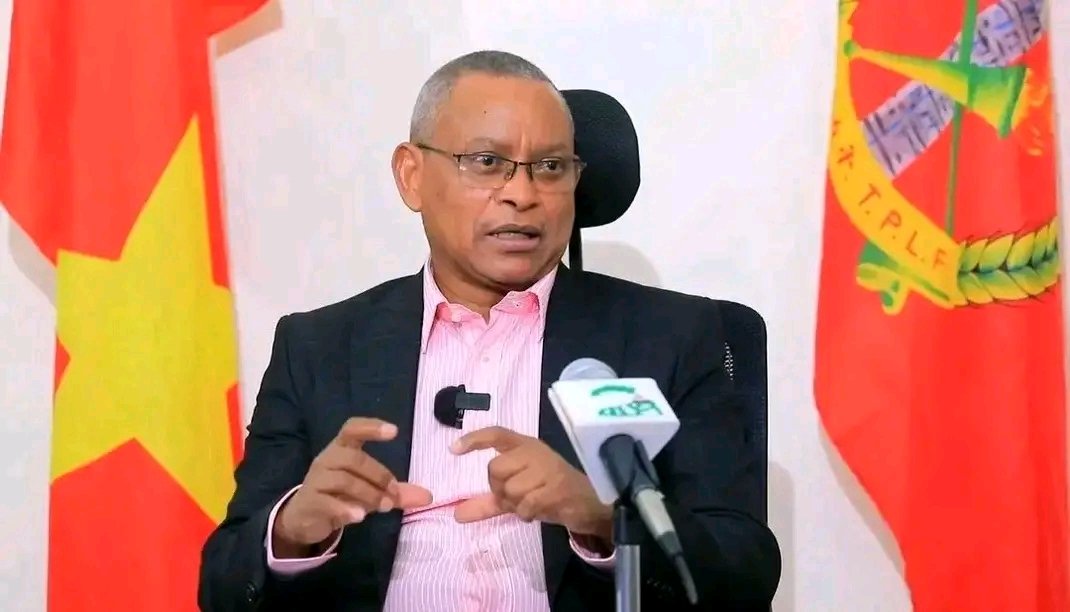
Officials have argued that if starvation persists, the Tigray People’s Liberation Front (TPLF) leadership must account for the whereabouts of the aid, implying possible diversion or mismanagement.
These claims are strongly disputed by humanitarian observers and community representatives inside the IDP camps, who report that food assistance is either insufficient or inconsistently delivered.
Camp residents describe prolonged gaps between distributions and rations that fall far below minimum nutritional requirements.
Aid workers and rights advocates are calling for transparent, independent verification of aid transport, storage, and final distribution to determine where breakdowns are occurring.
Allegations of Resource Exploitation
At the same time, serious allegations have emerged against elements of TPLF military leadership, reportedly operating in coordination with certain local administrative structures.
These allegations include the informal removal and sale of metals from burned vehicles and war-damaged equipment, as well as involvement in unregulated gold mining activities.
While these claims have not yet been independently verified, they have heightened concerns about potential resource diversion at a time when civilians in displacement camps face acute hunger and rising mortality.
Calls for Urgent Action
Human rights groups, community leaders, and humanitarian advocates warn that several IDP camps risk becoming “mass graves” unless immediate and decisive action is taken.
They are calling for immediate and unconditional humanitarian access to all IDP sites, independent investigations into aid delivery, alleged diversion, rising mortality rates and full transparency and public reporting on relief operations.
They are also urging for enforcement of the Pretoria Agreement, including guarantees for the safe and voluntary return of IDPs to Western Tigray as well as accountability for any actors found to be obstructing aid or exploiting resources
As starvation deaths continue to rise, observers stress that humanitarian protection must be treated as a non-negotiable priority, separate from political and military disputes.
Without urgent intervention and credible accountability, they warn, the crisis in Tigray risks becoming one of the gravest post-conflict humanitarian failures in the region.