By TESFA-ALEM TEKLE
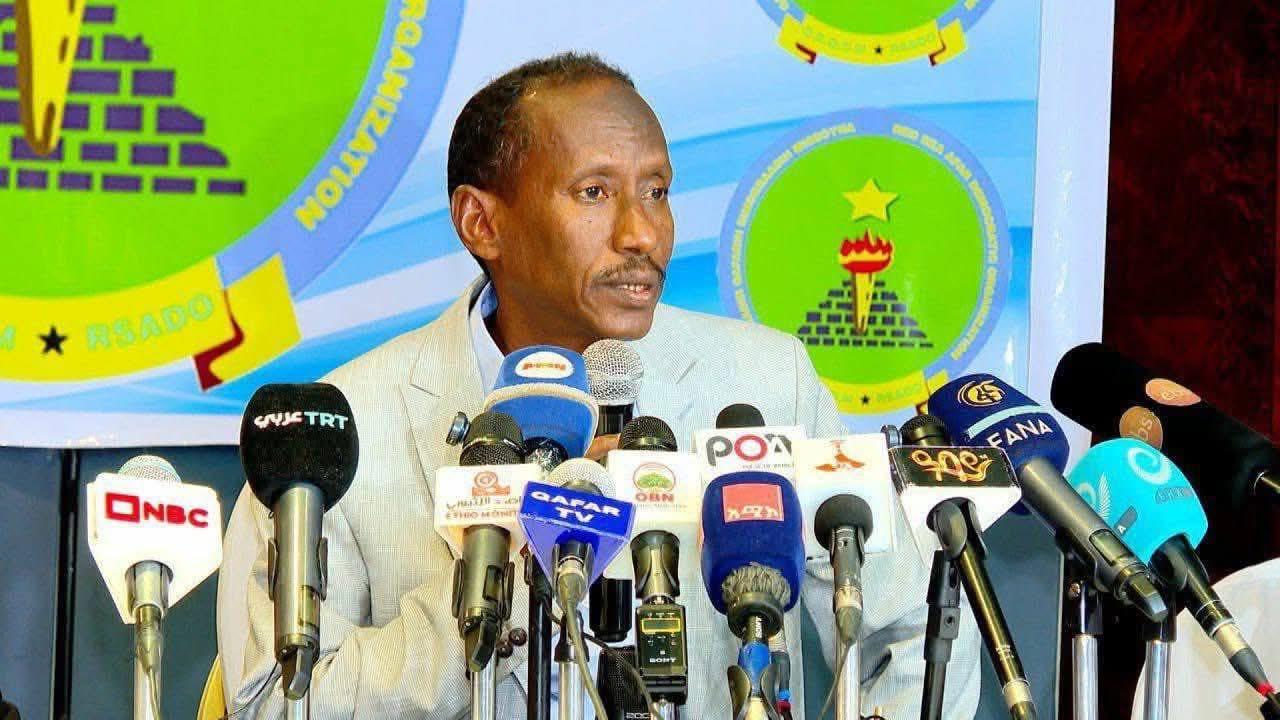
In a sweeping political and human rights initiative with regional and international implications, the Red Sea Afar Democratic Organization (RSADO) has launched an unprecedented diplomatic campaign aimed at drawing global attention to alleged systemic abuses against the Afar people in Eritrea.
Led by its chairman, Ibrahim Haroun Hassan, the organization issued a series of open letters on April 28, 2026, addressed to key international and regional actors, including the United Nations Secretary-General, the UN High Commissioner for Human Rights, senior officials in the United States administration, the European Union, the African Union, and the League of Arab States.
The coordinated outreach reflects what observers describe as a growing effort by RSADO to position itself as a central advocate for Afar rights on the international stage.
In the letters, Hassan outlines what he describes as a longstanding pattern of political exclusion, economic marginalization, and social repression targeting the Afar population since Eritrea’s independence.
In a statement shared to The East African Daily, RSADO communication alleges widespread violations, including arbitrary arrests, secret detention, enforced disappearances, torture, extrajudicial killings, and indefinite forced conscription actions the organization characterizes as constituting crimes against humanity.
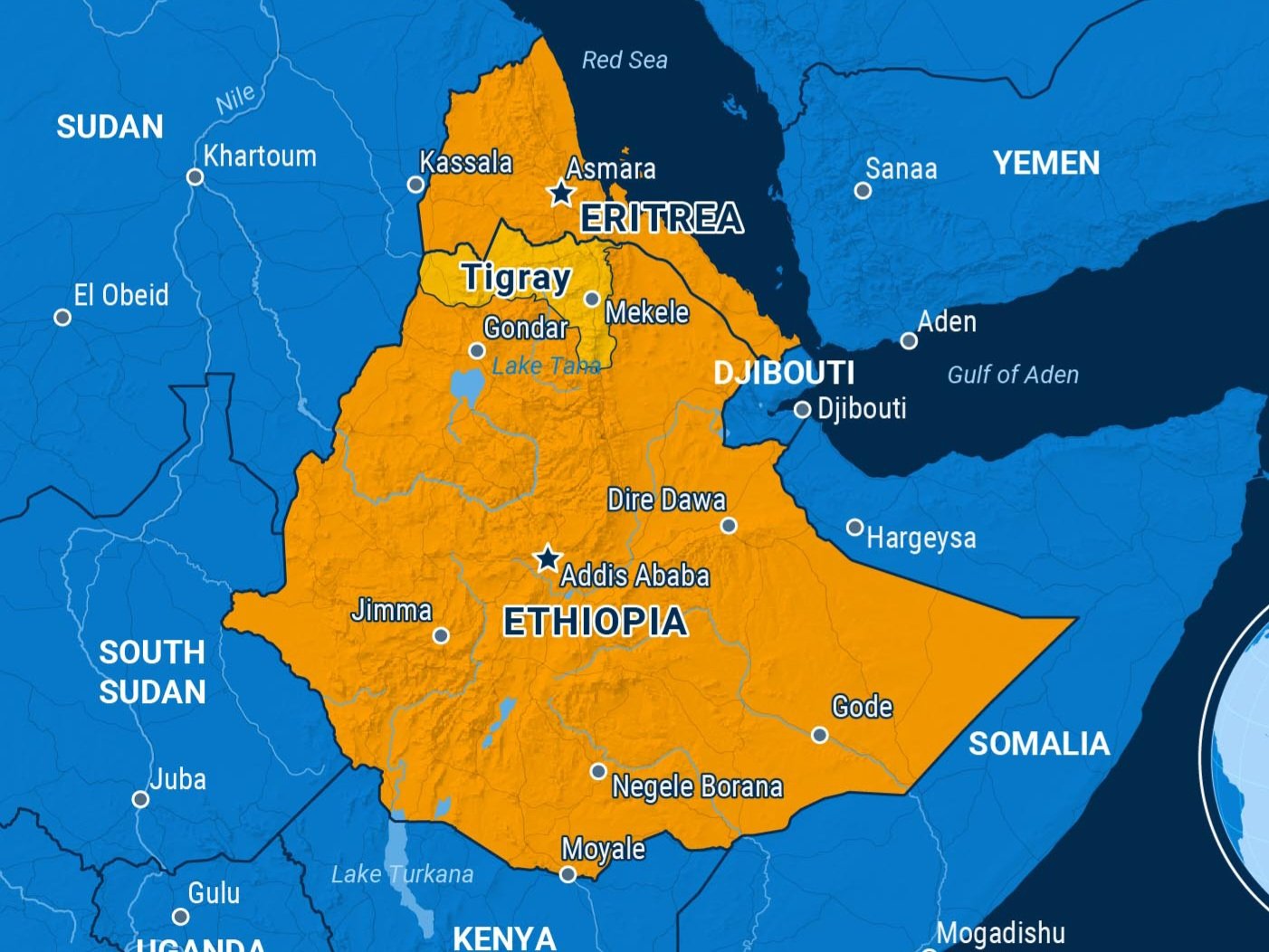
The group also points to intensified security operations across the Dankalia region, spanning northern, central, and southern zones, where it claims Afar communities are subjected to collective punishment and heavy militarization.
A key concern raised in the campaign is the alleged systematic expropriation of Afar ancestral lands along Eritrea’s Red Sea coastline.
According to RSADO, these lands are being transferred to entities linked to the ruling party and foreign investors without consultation or compensation, raising fears of demographic engineering and cultural erasure.
The letters further warn of escalating military expansion in and around the strategic port city of Assab.
RSADO reports the establishment of military installations, deployment of heavy weaponry, and the conversion of civilian areas into restricted zones developments that have reportedly disrupted traditional livelihoods such as fishing and pastoralism.
Beyond domestic concerns, RSADO also highlights what it views as Eritrea’s destabilizing role in regional conflicts, including alleged links to armed groups and involvement in broader Red Sea and Horn of Africa security dynamics.
The group cautions that these actions could have far-reaching consequences for international maritime security and regional stability.
Background on RSADO
The Red Sea Afar Democratic Organization (RSADO) is a political movement established to advocate for the rights and self-determination of the Afar people in Eritrea, particularly those inhabiting the Red Sea coastal regions.
Formed in the late 1990s by Afar activists and political figures in exile, RSADO emerged in response to grievances over political marginalization and lack of representation within Eritrea’s governance structures.
Over the years, the organization has combined political advocacy with armed resistance, although in recent years it has increasingly emphasized diplomatic engagement and international lobbying.
RSADO has sought to build alliances with regional and international actors, positioning itself as a legitimate representative of Afar interests and a voice against what it describes as systemic state repression.
The group’s agenda centers on securing political inclusion, protecting land and resource rights, preserving Afar cultural identity, and promoting a federal or decentralized political arrangement in Eritrea that would grant greater autonomy to marginalized communities.
In response to its latest campaign, RSADO is calling on the international community to take concrete measures, including the imposition of targeted sanctions, the establishment of an independent international investigative mechanism, the release of political prisoners, and the immediate end to indefinite forced conscription.
It also emphasizes the need to uphold the Afar people’s rights to land, resources, cultural preservation, and self-determination in line with international legal frameworks.
Hassan further warned against unconditional normalization of relations with Eritrea, arguing that engagement without clear human rights benchmarks risks legitimizing repression and deepening the suffering of marginalized communities, particularly the Afar.
The campaign underscores RSADO’s evolving role as a prominent voice advocating for the rights of the Afar people.
Through coordinated international engagement, it seeks to elevate the issue within global policy discussions and press for accountability, reform, and long-term political inclusion in Eritrea.
RSADO maintains that its efforts remain rooted in peaceful advocacy, calling for justice, equality, and a future in which all Eritrean communities can participate fully and fairly in national life