By Dr. Yonas W. Teshome
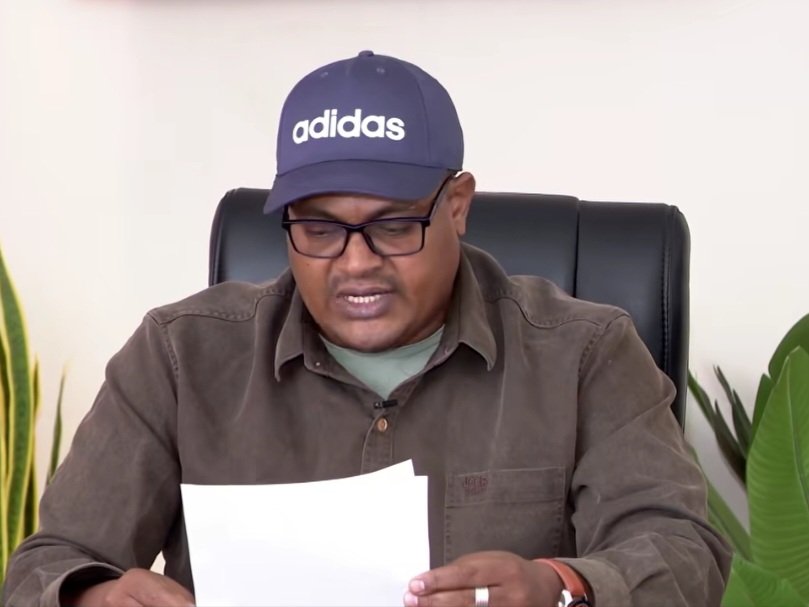
The Ethiopian government today officially commenced the national consultative forum titled “Media Progress for Narrative Building” in the presence of Prime Minister Abiy Ahmed, presenting the gathering as part of the country’s broader democratic transformation and reform agenda.
In a statement shared through the Office of Prime Minister’s official Facebook page, the government described the media sector as one of the “hallmark achievements” of Ethiopia’s ongoing reforms, claiming that democratic institutions have been strengthened and that the country is witnessing meaningful progress in freedom of expression and media development.
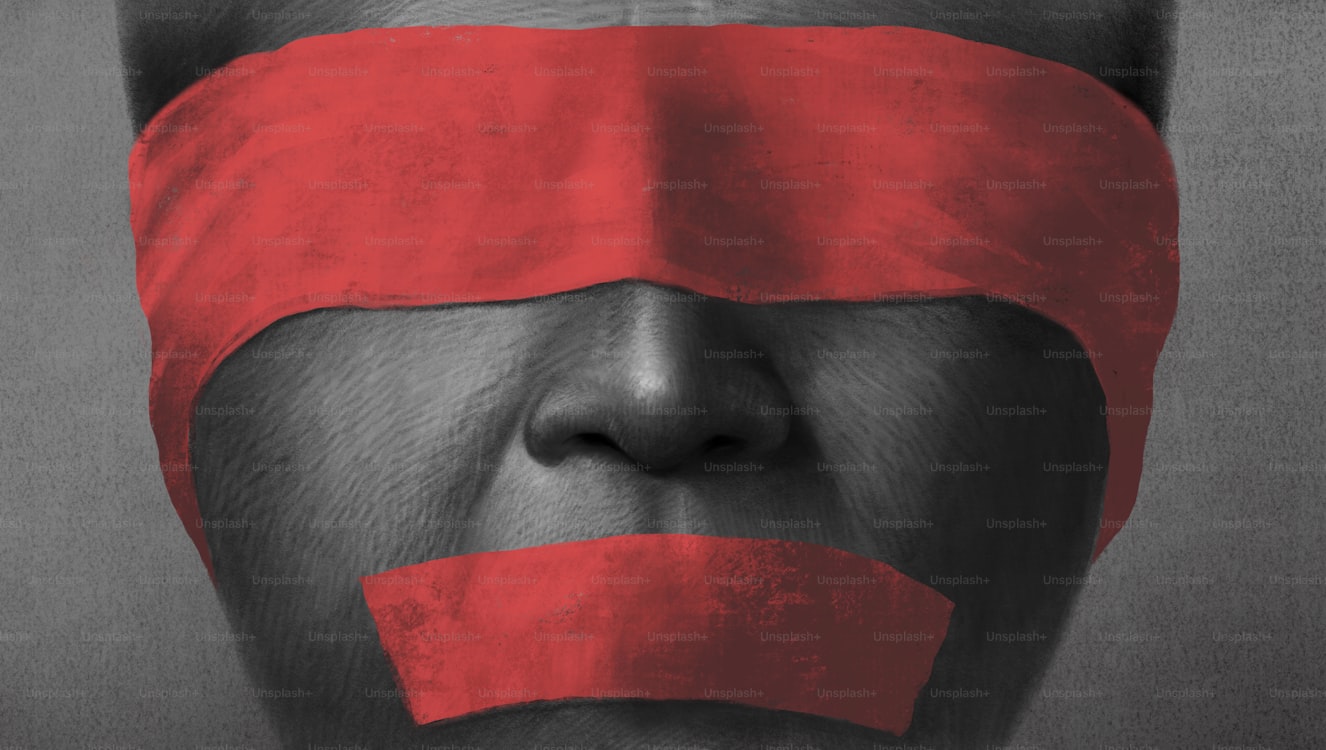
The forum, which focuses on “narrative building” and media progress, comes at a time when Ethiopia continues to face mounting international criticism over press freedom violations, arbitrary arrests of journalists, censorship, and growing restrictions on independent reporting.
According to the latest global press freedom assessments, Ethiopia currently ranks 148th in the world in media freedom, reflecting concerns over shrinking civic space, self-censorship, and repeated crackdowns on independent media outlets.
Despite official claims of democratic progress, several journalists have been detained in recent years while covering armed conflict, political unrest, corruption, and human rights issues.
Media freedom is widely recognized as one of the central pillars of democracy. Its core principles include freedom of expression, independence from political interference, protection of journalists, access to public information, and the ability of media institutions to report critically without fear of retaliation.
In democratic societies, governments are expected to safeguard these rights rather than suppress dissenting voices or control public narratives.
Critics argue that Ethiopia’s current media environment increasingly contradicts those principles. Independent media houses have repeatedly reported harassment, threats, and legal pressure, while journalists accused of criticizing government policies often face detention or intimidation under broad security-related allegations.
Many media professionals have either fled the country, reduced their reporting activities, or resorted to self-censorship due to fear of repercussions.
National media outlets frequently amplify government narratives and official positions, while critical or opposition voices receive limited coverage or are portrayed negatively.
This dynamic, critics say, undermines pluralism and weakens the role of the press as an independent watchdog.
The “Media Progress for Narrative Building” forum is a symbolic exercise that celebrates reform rhetoric while overlooking the deeper structural problems affecting press freedom in Ethiopia.
As the consultative forum proceeds, questions remain over whether the government is prepared to address the growing concerns surrounding media repression or whether the initiative will merely reinforce state-controlled narratives while the realities facing independent journalism continue to deteriorate.