BY TESFA-ALEM TEKLE
Ethiopia is once again navigating a delicate political moment, as the federal government faces mounting pressure to balance reform, national unity, and security in a deeply divided landscape.
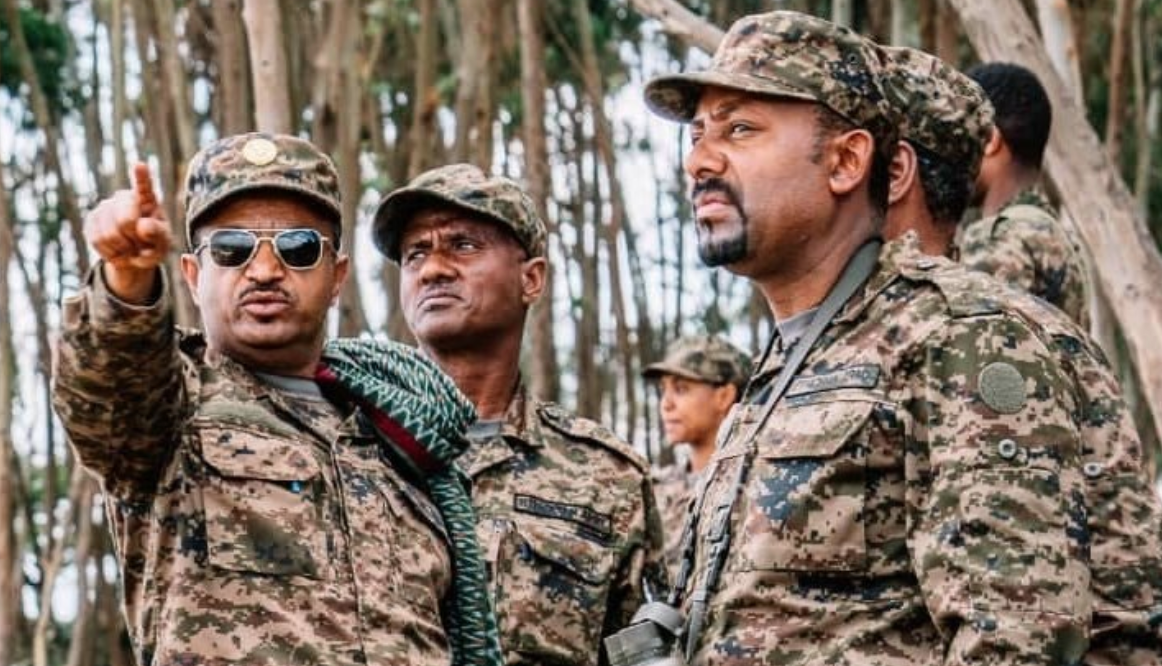
Since coming to power in 2018, Prime Minister Abiy Ahmed has pursued an ambitious agenda of political and economic reform, initially earning international praise—including the Nobel Peace Prize—for his role in ending the long-standing conflict with neighboring Eritrea. However, the optimism that marked the early years of his leadership has gradually given way to a more complex and contested reality.
From Reform to Fragility
The early reforms—lifting bans on opposition groups, releasing political prisoners, and opening the media space—raised hopes for a democratic transition. Yet, analysts say these changes also unleashed long-suppressed political and ethnic tensions.
Those tensions erupted most dramatically during the Tigray War, a devastating conflict between federal forces and the Tigray People’s Liberation Front (TPLF). Although a peace agreement signed in late 2022 formally ended large-scale hostilities, the aftermath continues to shape Ethiopia’s political environment.
“The war changed everything,” said a regional expert based in Addis Ababa. “It redefined trust in institutions, intensified polarization, and left unresolved questions about governance and accountability.”
Rising Internal Pressures
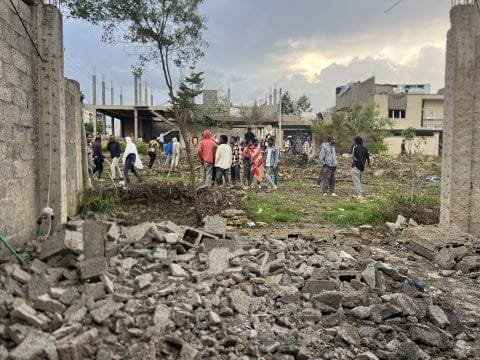
Beyond Tigray, other regions—including Amhara and Oromia—have experienced ongoing instability. Armed groups, political grievances, and disputes over regional autonomy continue to challenge federal authority.
In the Amhara region, tensions have escalated into periodic clashes, while in Oromia, the government continues to confront insurgent activity linked to the Oromo Liberation Army (OLA). These conflicts have strained security resources and complicated efforts to maintain nationwide stability.
At the same time, critics accuse the government of increasingly restricting political space. Reports from rights organizations point to arrests of opposition figures, limitations on protests, and pressure on independent media.
Government officials, however, defend these actions as necessary measures to preserve national unity and prevent further violence.
The Election Question
Elections remain a central issue in Ethiopia’s political trajectory. The most recent national vote, held in 2021, was conducted under challenging conditions, with several regions unable to participate due to insecurity.
As the country looks toward future electoral processes, questions persist about inclusivity, transparency, and the ability to conduct a fully representative vote.
Opposition parties have called for broader dialogue and reforms to ensure credibility, while the ruling Prosperity Party maintains that it is committed to democratic principles within the constraints of current realities.
Economic Strain and Public Sentiment
Compounding the political challenges is a difficult economic environment. Inflation, unemployment, and the lingering effects of conflict have put pressure on ordinary Ethiopians.
Urban residents, in particular, have voiced concerns over rising living costs, while rural communities continue to grapple with displacement and limited access to services in conflict-affected areas.
Public sentiment appears mixed: while some citizens support the government’s efforts to maintain order, others express frustration over the slow pace of reform and the persistence of insecurity.
A Nation in Transition
Despite the challenges, Ethiopia remains a country of significant regional importance, both politically and economically. Its stability is closely watched across the Horn of Africa and by international partners.
Observers say the coming years will be critical in determining whether Ethiopia can consolidate peace and build a more inclusive political system—or whether divisions will deepen.
“There is still an opportunity for dialogue and reform,” said a diplomatic source in Nairobi. “But it requires trust-building, compromise, and a genuine commitment from all sides.”
For now, Ethiopia stands at a crossroads—its future shaped by the difficult balance between reform and control, unity and diversity, hope and uncertainty.