By TESFA-ALEM TEKLE
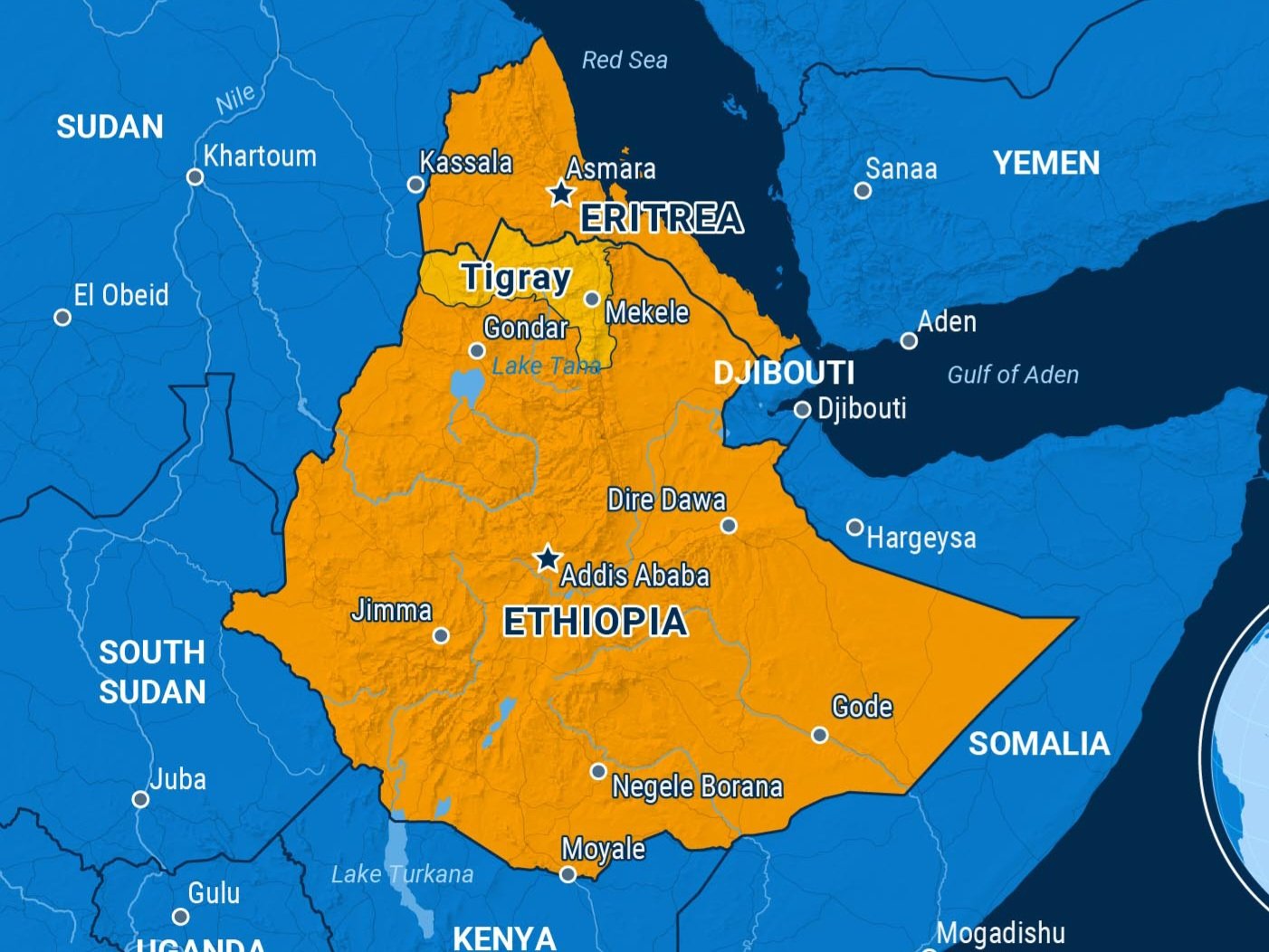
Ethiopia has ordered 10 Eritrean diplomats to leave the country within 48 hours and announced the closure of its embassy in Asmara, sharply escalating an already deteriorating relationship between the two neighboring states.
Ethiopia’s Ministry of Foreign Affairs declared the 10 Eritrean diplomats persona non grata, accusing them of involvement in activities that pose a direct threat to Ethiopia’s national security and violate the Vienna Convention on Diplomatic Relations. The ministry did not publicly provide specific details about the alleged activities.
Addis Ababa also said it was closing its embassy in Asmara in response to what it described as Eritrea’s “direct and indirect acts of hostility and belligerence” against Ethiopia.
At the same time, the Ethiopian government said it continued to value the historical, cultural and people-to-people ties between the two countries and remained committed, in its stated position, to peaceful coexistence and regional stability.
A diplomatic rupture amid renewed fighting
The announcement comes at an especially sensitive moment. Ethiopia is facing renewed fighting in the north, with clashes involving forces aligned with the Tigray People’s Liberation Front (TPLF) and Ethiopian federal forces and their allies.
Ethiopia has accused Eritrea, Sudan and Egypt of supporting an opposition alliance led by the TPLF. The countries named by Addis Ababa have denied those allegations.
The diplomatic measures also followed explosions reported in Addis Ababa overnight. Reuters reported that an opposition-linked source claimed responsibility for drone strikes, including an alleged attack targeting military infrastructure, but the claims could not be independently verified. An Ethiopian intelligence official separately confirmed that three blasts occurred at different locations in the capital.
The timing gives the diplomatic announcement an additional security dimension, although there is no publicly established evidence in the reports that directly links the expelled diplomats to the reported explosions.
From historic rapprochement to renewed hostility
The latest confrontation is a dramatic reversal from the relationship that emerged in 2018.
After two decades of hostility following the 1998–2000 Ethiopia-Eritrea border war, Prime Minister Abiy Ahmed and President Isaias Afwerki signed a peace declaration in July 2018. Diplomatic relations were restored, borders reopened and transport links resumed.
The relationship changed again during the Tigray war, which began in November 2020. Eritrean forces fought alongside Ethiopian federal forces against the TPLF.
The conflict ended with the November 2022 Pretoria agreement between the Ethiopian government and Tigrayan authorities. Eritrea was not a party to that agreement.
That exclusion became one of several sources of tension between Addis Ababa and Asmara. Relations subsequently deteriorated over security issues, the post-war political order in Tigray and Ethiopia’s pursuit of reliable access to the Red Sea.
The Red Sea factor
Ethiopia’s lack of direct access to the sea has also become an important element in its relations with Eritrea.
Prime Minister Abiy has repeatedly argued that Ethiopia, one of Africa’s most populous landlocked countries, needs dependable access to the Red Sea. Eritrea controls important Red Sea ports, including Massawa and Assab.
Abiy has publicly said Ethiopia seeks dialogue over access rather than war with Eritrea. Nevertheless, the issue has become a major source of suspicion between Addis Ababa and Asmara.
Why the expulsion matters
The expulsion of diplomats and closure of an embassy go beyond ordinary diplomatic criticism. They reduce the formal channels through which the two governments communicate at a time when military tensions are already rising.
There is also a significant difference between the current situation and the period immediately after the 2018 rapprochement. At that time, Ethiopia and Eritrea presented their relationship as a foundation for regional peace. Today, the two governments are again publicly accusing each other of actions that threaten national security.
The immediate question is whether the diplomatic rupture remains limited to diplomatic measures or becomes part of a broader regional escalation.
That question is particularly important because the renewed fighting is occurring in a region where Ethiopia, Eritrea and neighboring states have overlapping security interests. The latest developments therefore have implications not only for Addis Ababa and Asmara, but potentially for the wider Horn of Africa.
For now, however, the publicly documented position is that Ethiopia has expelled the 10 diplomats and closed its embassy in Asmara; the government’s specific allegations against the diplomats have not been publicly substantiated with detailed evidence.