By Rania H.
East Africa is entering a period of significant political uncertainty as governments across the region grapple with economic challenges, security concerns, and growing public demands for accountability.
From the Horn of Africa to the Great Lakes region, political leaders are facing increasing pressure to address rising living costs, unemployment, and governance concerns while maintaining regional stability in an increasingly complex geopolitical environment.
Analysts say the region’s political landscape is being shaped by a combination of domestic and external factors, including ongoing conflicts, climate-related challenges, and competition for influence among global powers.
In Ethiopia, political reforms and post-conflict reconstruction efforts continue to dominate national discussions as authorities seek to balance security concerns with demands for greater political inclusion.
Meanwhile, neighboring countries are closely monitoring developments due to their potential impact on regional stability and trade.
In Kenya, policymakers continue to confront economic pressures amid public concerns over taxation, inflation, and employment opportunities. Political observers note that economic issues have become increasingly influential in shaping public opinion and political discourse.
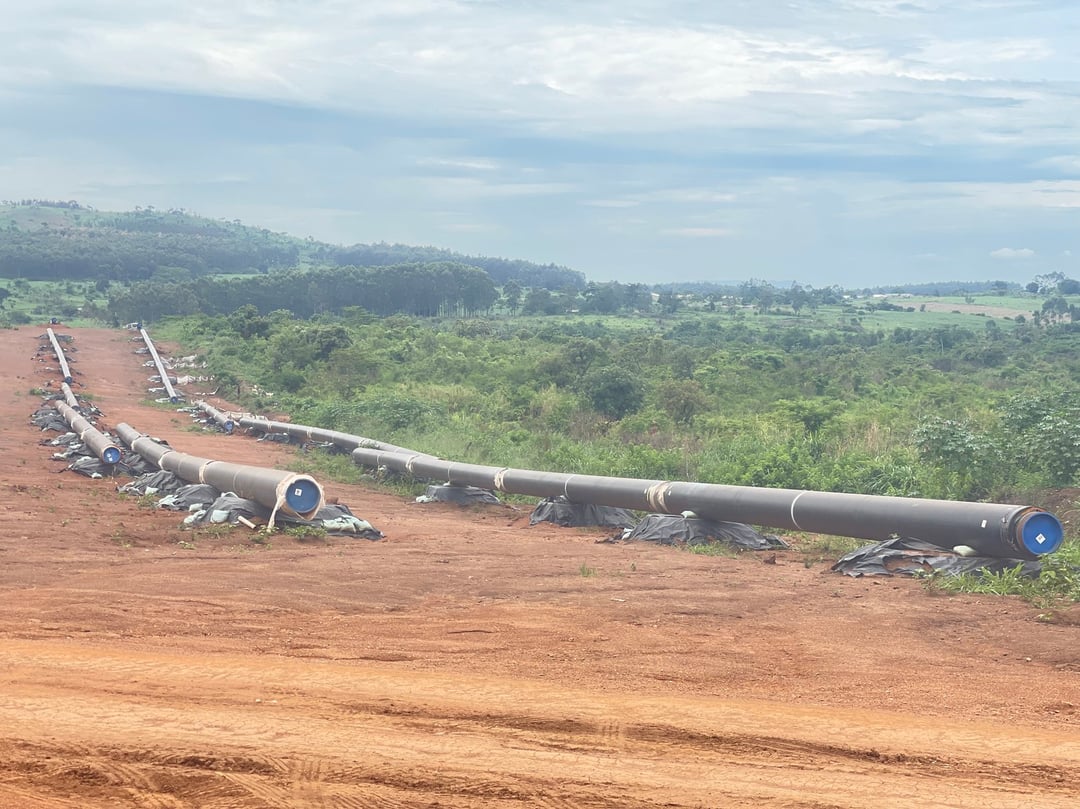
Across the region, governments are also seeking to strengthen economic integration through regional institutions and cross-border infrastructure projects. Supporters argue that deeper cooperation could boost trade and investment, while critics stress the need for stronger governance mechanisms and transparency.
Security remains a key concern. Armed conflicts, political tensions, and humanitarian challenges continue to affect several countries, complicating efforts to promote development and regional cooperation.
Despite these challenges, experts point to opportunities for democratic consolidation and economic growth.
A young and increasingly connected population is playing a larger role in political debates, while civil society organizations continue to advocate for accountability, transparency, and institutional reform.
As East Africa navigates a rapidly changing political environment, the decisions made by regional leaders in the coming years are expected to have lasting consequences for governance, security, and economic development across one of Africa’s most strategically important regions.
The writer Rania Hariraj is reachable at: Raniahariraj@gmail.com