By Hana-Maryam Teshome
Ethiopia’s fractured democratic landscape has entered another period of political confrontation after a major opposition alliance refused to occupy the parliamentary seats it won in the country’s latest general election, denouncing the process as fundamentally lacking democratic legitimacy.
The Coalition for Ethiopian Unity, a five-party opposition alliance that secured seven seats in the House of Peoples’ Representatives, announced it will boycott both the federal parliament and regional councils, arguing that participation would only legitimize what it describes as an election devoid of genuine competition and meaningful public choice.
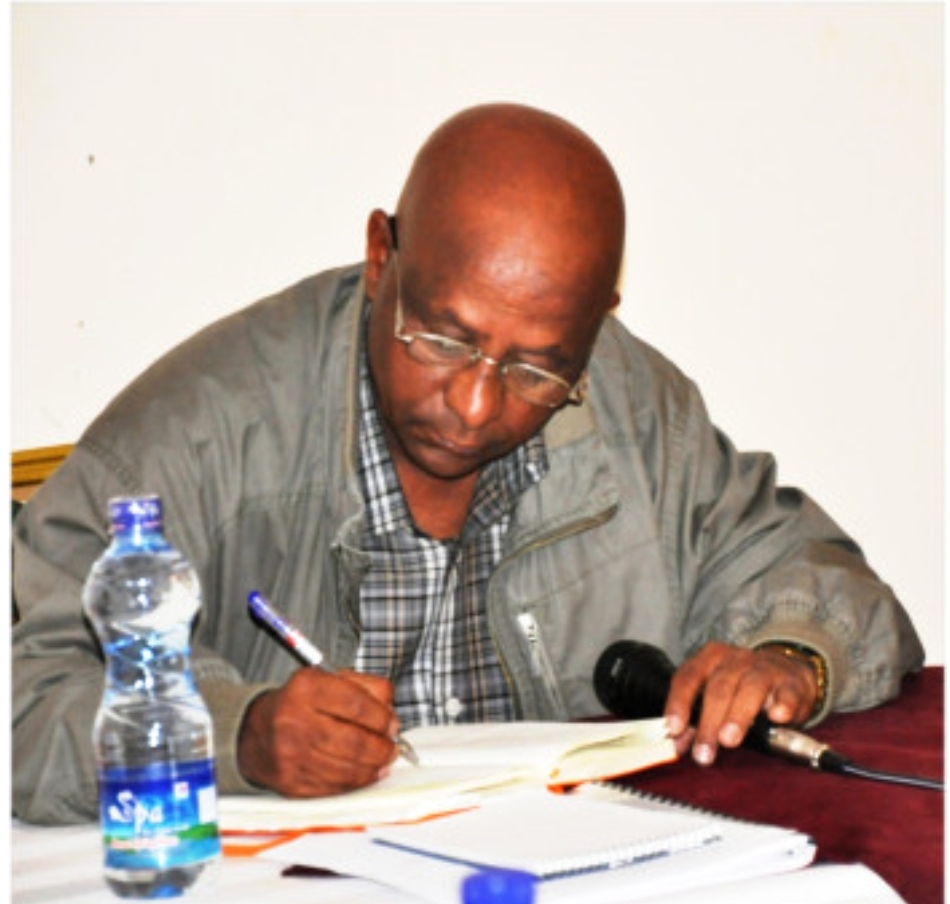
Speaking to lical media outlets, the coalition’s Secretary General, Mistreslassie Tamerat, dismissed suggestions that the boycott was motivated by dissatisfaction over the number of seats allocated to the alliance.
“We maintain our position that we should not participate,” she said. “Some claim this stance is due to not being offered a seat, but if that were the case, our position would have changed now that seats have been made available. However, we oppose this on principle, as we believe a democratic election did not take place.”
Her remarks underscore the coalition’s broader accusation that Ethiopia’s electoral system has ceased to function as a genuine democratic mechanism, arguing that participation in parliament would amount to endorsing institutions whose legitimacy they fundamentally reject.
The coalition also warned that any elected representative who decides to take a parliamentary seat will do so solely in a personal capacity and will immediately lose the alliance’s political backing.
“If selected individuals choose to join the council in their personal capacity, they do not represent the Coalition. Anything they say or do within that council does not reflect the Coalition’s views, and we will take disciplinary action against them.”
The boycott comes after the ruling Prosperity Party secured another overwhelming parliamentary majority, extending Prime Minister Abiy Ahmed’s political dominance for another five-year term.
While the outcome was widely anticipated, critics argue it reflects an increasingly uneven political environment in which opposition parties face enormous structural disadvantages rather than genuine electoral competition.
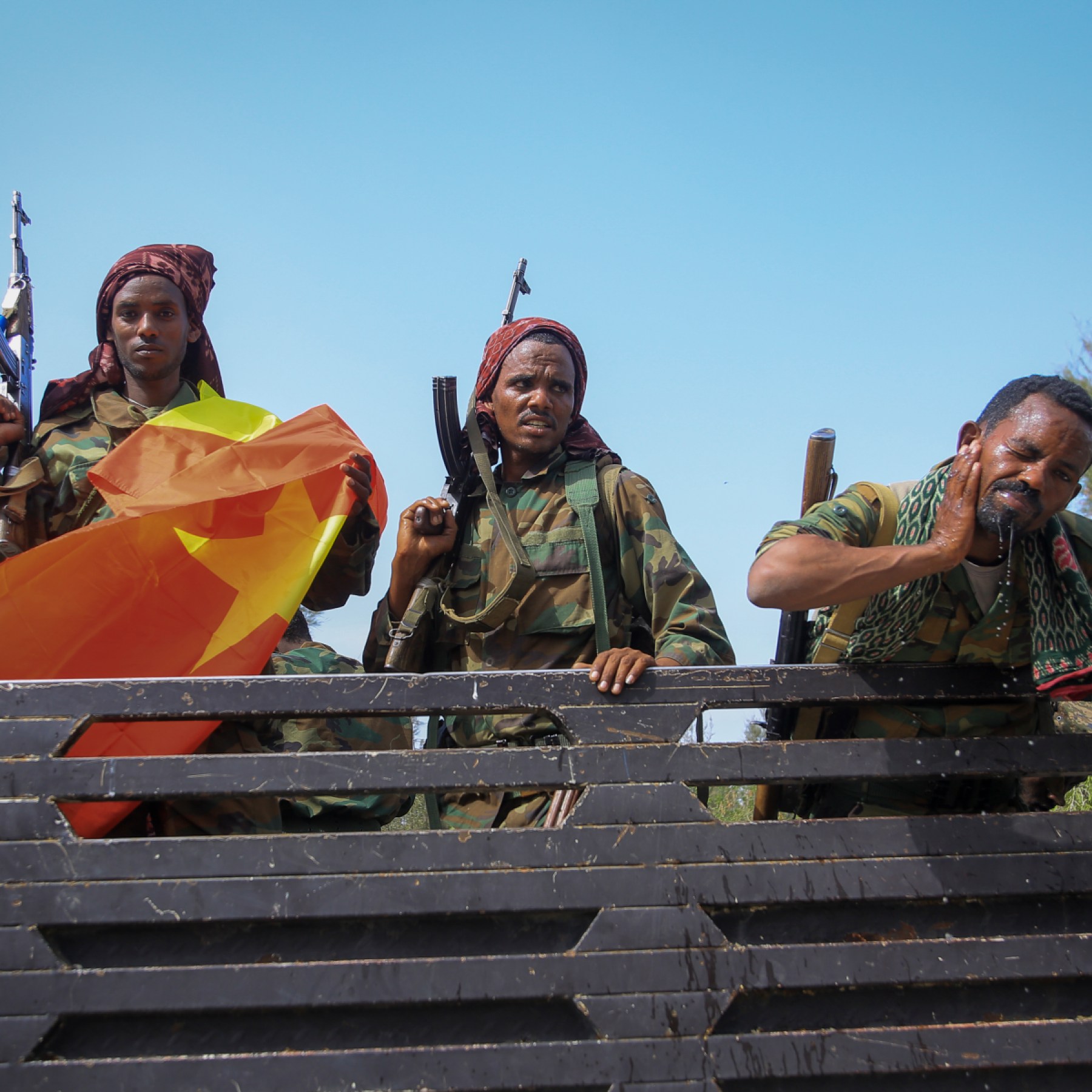
Large sections of the country including vast areas of Tigray, Amhara, and Oromia did not participate in voting because of armed conflict, insecurity, and political instability. Millions of citizens were effectively excluded from the electoral process, raising persistent questions about the representativeness and inclusiveness of the final outcome.
Despite these concerns, government officials have defended the election as peaceful, orderly, and credible in areas where voting was conducted, insisting that the process fulfilled constitutional requirements.
Opposition groups, however, contend that elections cannot be considered genuinely democratic when substantial portions of the population are unable to vote, major political competitors operate under severe constraints, and the ruling party enjoys overwhelming institutional and administrative advantages.
The National Election Board of Ethiopia (NEBE) has yet to publicly respond to the coalition’s decision to boycott parliament.
Political analysts say the opposition’s refusal to take its seats illustrates a widening crisis of confidence in Ethiopia’s political institutions. Rather than serving as a platform for democratic competition, parliament risks becoming increasingly dominated by a single political force while questions surrounding legitimacy, accountability, and political inclusion remain unresolved.
As Ethiopia begins another parliamentary term under the Prosperity Party, the opposition’s boycott sends a clear message: for many government critics, the country’s democratic crisis extends far beyond election results and reflects deeper structural problems that continue to undermine public confidence in the political system.